

A Friendly Guide to Understand Chicken, Pork, Beef, Turkey Grilling Tools and Techniques for Home-Based Parties!

December 19, 2025
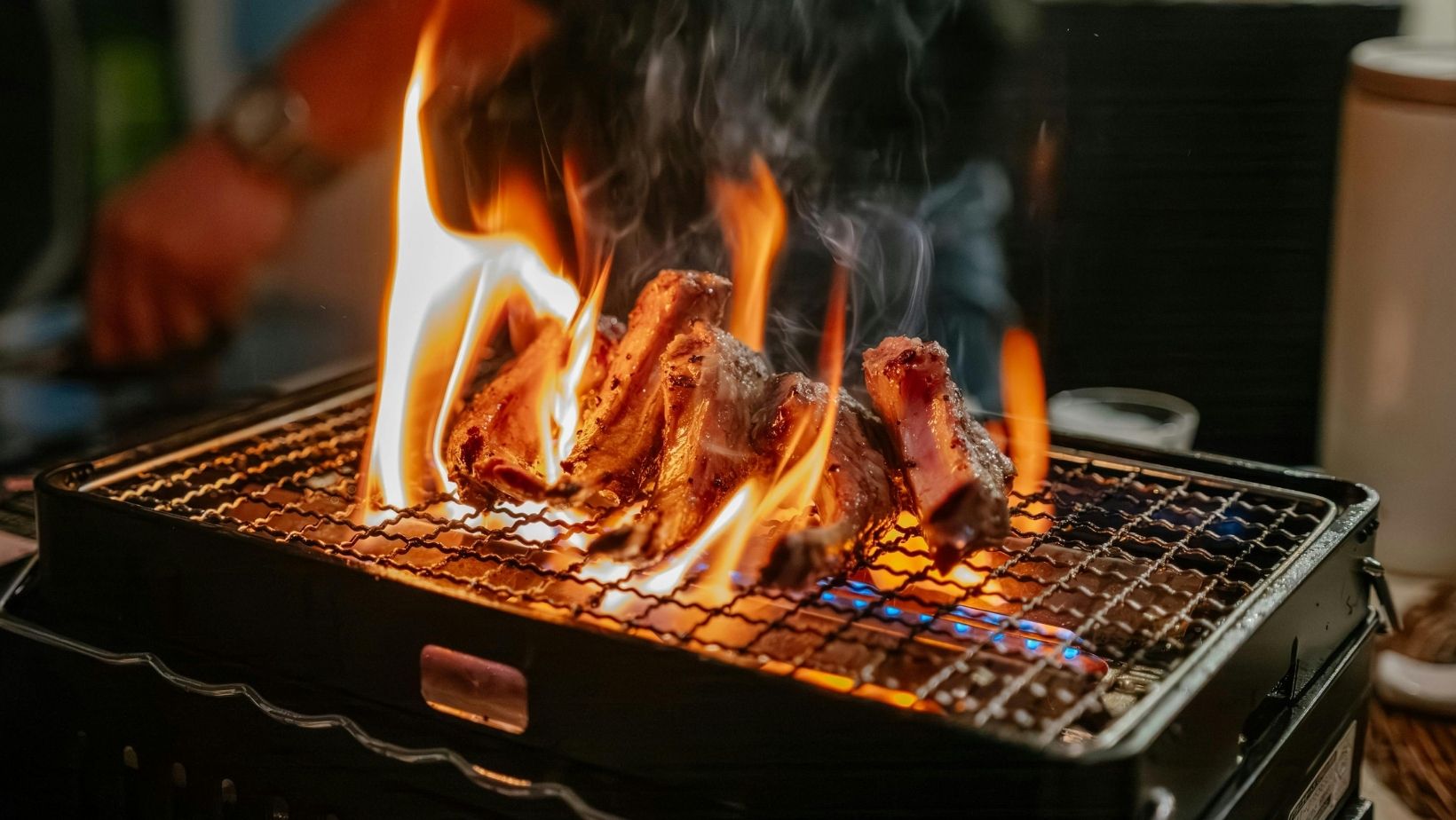
Hosting a home grill party is a great way to bring people together. Yes, the smell of food on the grill sets the mood. Laughter fills the air. Serving hot and fresh food feels really rewarding. But, for beginners grilling different meats can feel stressful. Chicken cooks fast and needs attention. Beef needs the right timing. Pork needs careful balance. Turkey takes patience. Using the right tools and simple techniques makes a big difference. With a little knowledge grilling becomes much easier. It turns stress into confidence. Your guests notice and you enjoy the moment more.
Why Grilling Knowledge Matters for Beginners?
Grilling is more than putting meat over fire. Each type of meat reacts differently to heat. Time matters. Handling matters too. Beginners often use one method for everything. This leads to dry chicken. Beef gets overcooked. Pork loses flavor. When you understand how each meat grills, you really gain control. Flavor improves. Texture stays right. Doneness becomes easier to manage. This helps you plan better for home parties. It also gives steady results. Guests notice the difference and come back for more.
Essential Grilling Tools Every Beginner Should Know
Before grilling different meats, you should learn the basic tools. The right tools make grilling easier. A reliable grill is the base. Gas or charcoal both works well. Long-handled tongs really help you move meat safely. They also keep juices inside. A meat thermometer is very important for beginners. It removes guesswork. It helps you cook safely and correctly. Heat-resistant gloves protect your hands. Clean grill grates prevent sticking. Resting trays help meat stay juicy. These tools keep quality steady during a busy party.
Create the Right Grill Setup for Multiple Meats
A good home party often means grilling different meats at once. When you know how to set heat zones on your grill it helps cook many proteins together. Use direct heat for quick-searing beef and thin chicken. Use indirect heat for pork and turkey. Keep the grill lid closed to keep heat steady and add smoky flavor.
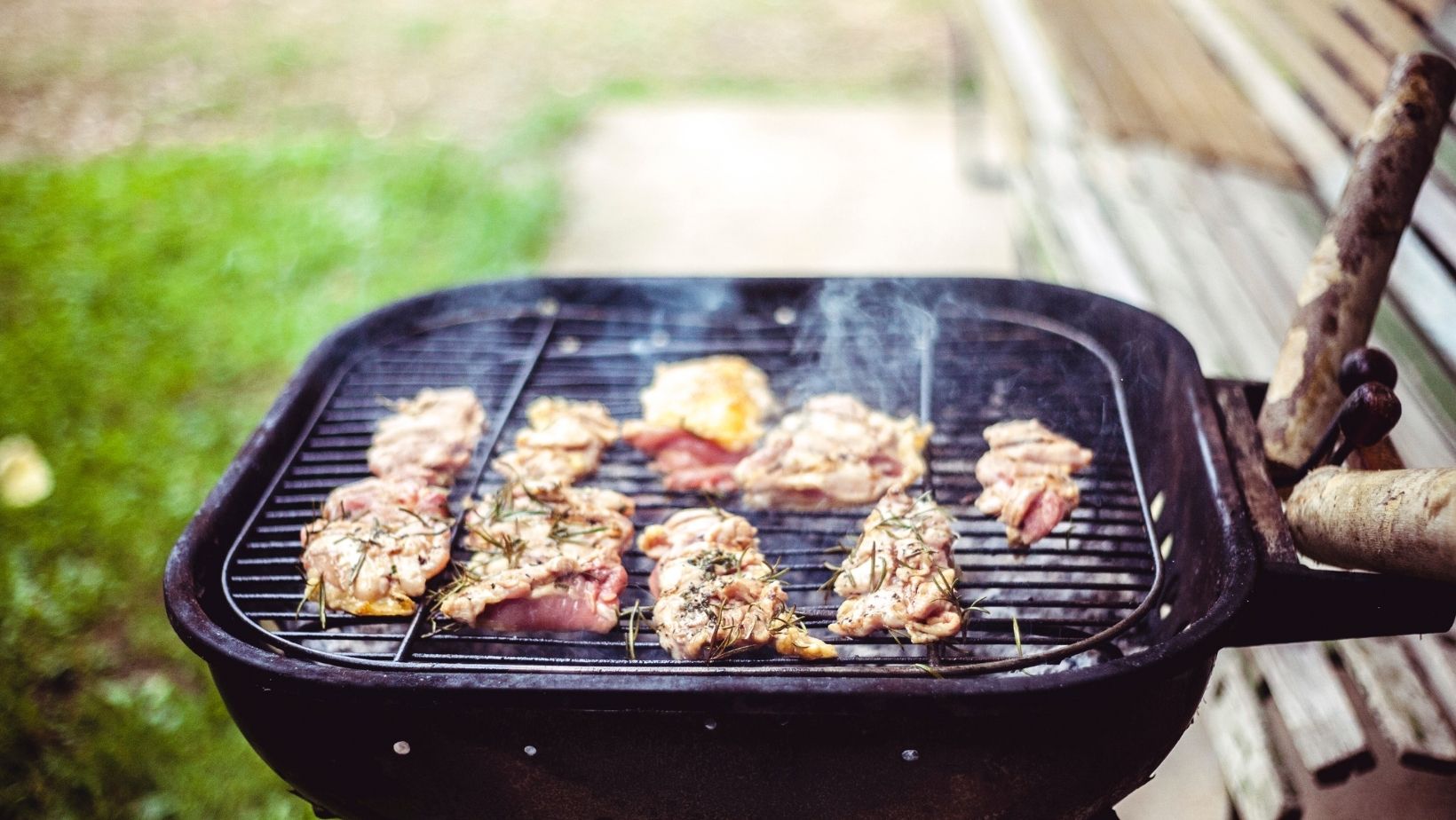
Clean the grill before cooking to stop food from sticking and get better results. As beginners improve, they try brands and methods that value skill and tradition. The Grilling Dutchman nicely shows how the right tools and care make grilling better with latest recipes!
Grilling Chicken with Confidence and Flavor
Chicken is a popular choice for home parties. It is also easy to overcook. Chicken has low fat. High heat dries it out fast. Temperature control is very important. Bone-in chicken cook best over medium heat. You should use indirect grilling for even cooking. This prevents burned skin. Boneless cuts cook faster. Watch them closely. Marinating helps keep chicken moist. It also adds flavor. Do not flip chicken too often. Let it cook on each side. This helps with browning. A thermometer confirms safe cooking. It also prevents dryness. With care and the right tools, grilled chicken is always a crowd favorite.
Pork Grilling Techniques for Balanced Results
Pork offers a good balance of lean meat and fat. This makes it forgiving but still technique focused. Cuts like pork chops and tenderloin grill best over medium heat. This helps build flavor without drying them out. Pork benefits from simple prep like brining. Brining can add moisture and tenderness. Thicker cuts do well with indirect heat. This allows even cooking from edge to center. Resting pork after grilling is very important. It lets the juices settle back into the meat. When cooked with care the pork becomes a tasty centerpiece for any grilling party.
Beef Grilling Basics as a Beginner
Beef is often the highlight of the grill especially at gatherings. For beginners, it can feel scary because of many cuts and doneness levels. The key is understanding timing ad heat. Remember, that steaks do best with high heat and short cooking times. Thicker cuts need more controlled heat. Let beef rest at room temperature before grilling. This helps it cook evenly. Simple seasoning brings out natural flavor. You should avoid pressing the meat while it cooks. This keeps the juices inside. Use a thermometer for accuracy. Rest the beef after grilling. This makes it tender and full of flavor.
Turkey Grilling Techniques for Home-Based Parties
Turkey is often forgotten outside holidays. But it’s great for big home parties. Grilling turkey needs patience and very good planning. Yes, because it’s lean and large. Turkey breasts and small cuts are best for beginners. They cook more evenly and are easy to handle. For this you should use indirect heat when grilling. This stops the outside from burning while the inside cooks. Brining the turkey keeps it moist and improves texture. Check the internal temperature for safety and to avoid any dryness. With the right prep, grilled turkey is a special and wonderful choice for any gathering.
Turn Your Grill into the Center of the Party!
Grilling for home parties is more than just cooking meat. Good preparation with organization and timing let hosts relax to enjoy the event. When you add chicken, pork, beef and even turkey in parties this means every guest will find something they like. As beginners practice, grilling should feel easy and more natural. With the right skills, tools and knowledge of meats anyone can make simple gatherings into a memorable and confident experiences. Good luck!

Una Johnson
Una is a food website blogger motivated by her love of cooking and her passion for exploring the connection between food and culture. With an enthusiasm for creating recipes that are simple, seasonal, and international, she has been able to connect with people around the world through her website. Una's recipes are inspired by her travels across Mexico, Portugal, India, Thailand, Australia and China. In each of these countries she has experienced local dishes while learning about the culture as well as gaining insight into how food can be used as a bridge between different cultures. Her recipes are often creative combinations of traditional ingredients from various different cuisines blended together to create something new.
Is Winter Breath Bulk Hybrid the Right Choice for You?
Buying a hemp flower that truly aligns with your way of life may appear troubling, especially when t

The Rise of Mushroom Gummies: Benefits, Effects, and What to Expect
In the ever-evolving landscape of alternative wellness, a new star has risen to prominence: mushroom
6 Pork Rind Brands Worth Trying Right Now
Pork rinds have come a long way from the gas station snack aisle. With the rise of keto and low-carb