

Why Salads and Smart Breakfasts Define Healthy Eating in Dubai

February 2, 2026

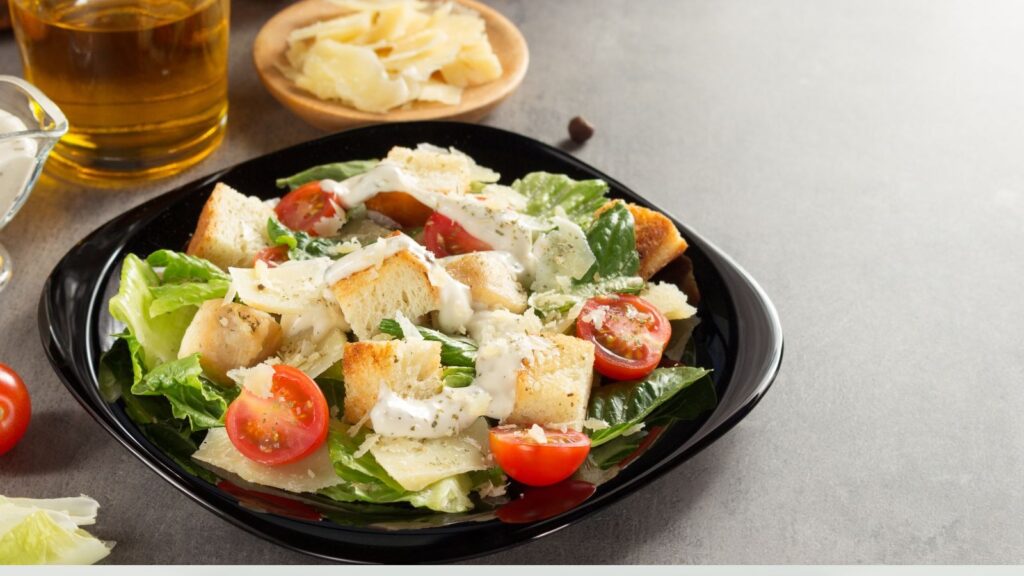
Dubai is a city that constantly reinvents itself. From architecture to fashion to technology, innovation shapes everyday life. Food culture has followed the same path, especially in recent years, as residents and visitors alike seek meals that support energy, wellness, and balance. This shift has brought renewed attention to the best salads in dubai, which are no longer simple side dishes, but thoughtfully designed meals that reflect modern nutritional values.
The Evolution of Salads in Dubai’s Dining Scene
Salads once carried the reputation of being boring, restrictive, or incomplete. In Dubai, that perception has completely changed. Salads have evolved into vibrant, filling dishes built with intention. They now combine protein, whole grains, fresh vegetables, healthy fats, and layered textures that satisfy both hunger and taste.
This transformation aligns with the city’s lifestyle. High temperatures, long days, and active schedules naturally encourage lighter meals that do not compromise nourishment. Salads fit seamlessly into this rhythm, offering refreshment without sacrificing substance.
What Makes a Salad Truly Satisfying
A well-crafted salad goes far beyond leafy greens. Balance is the defining factor. Protein sources such as grilled chicken, fish, eggs, legumes, or plant-based alternatives create satiety. Whole grains like quinoa or brown rice add sustained energy. Healthy fats from nuts, seeds, or olive oil enhance flavor while supporting nutrient absorption.
Texture also plays a crucial role. Crunchy elements contrast with soft ingredients, while acidity from citrus or vinegar brightens the dish. When these components come together, salads become complete meals rather than placeholders.
Why Climate Influences Food Choices
Dubai’s warm climate shapes how people eat. Heavy meals can feel overwhelming, particularly during the day. Lighter options that still provide essential nutrients are often preferred. Salads deliver hydration, fiber, and vitamins while keeping the body comfortable and energized.
This climate-driven preference has encouraged chefs to focus on freshness, seasonal ingredients, and clean preparation methods. The result is food that feels natural to eat rather than forced by trend.
Breakfast as the Foundation of the Day
While salads often dominate lunch and dinner, breakfast sets the pace for everything that follows. In a fast-moving city, skipping breakfast or relying on sugar-heavy options often leads to energy crashes and poor concentration. This is why the conversation around Healthy breakfast in dubai has become increasingly important.
A balanced breakfast supports mental clarity, stabilizes blood sugar, and reduces impulsive eating later in the day. Restaurants that understand this design menus around protein, fiber, and healthy fats rather than refined carbohydrates alone.
The Shift Toward Functional Morning Meals
Modern breakfast culture in Dubai prioritizes function as much as flavor. Eggs paired with vegetables, yogurt bowls with seeds and fruit, whole-grain toast with natural fats, and smoothies built from real ingredients have replaced overly processed options.
These meals deliver steady energy without heaviness, making them ideal for busy mornings, workouts, or long commutes. Breakfast is no longer just about convenience, but about preparation for the demands of the day.
Salads Beyond Lunch
Salads are no longer confined to lunchtime. Many people now choose salads for breakfast or dinner, particularly when built with warming ingredients, proteins, and grains. This flexibility makes salads one of the most adaptable meal formats available.
Warm grains, roasted vegetables, and hearty proteins transform salads into comforting evening meals that support digestion without excess. This versatility is one of the reasons salads continue to gain popularity across different age groups and lifestyles.
Ingredient Quality and Transparency
Healthy eating relies heavily on ingredient quality. Fresh produce, clean proteins, and minimal processing form the backbone of nutritious meals. Restaurants that focus on transparency allow diners to understand exactly what they are consuming, building trust and loyalty.
Knowing how food is prepared and sourced empowers diners to make consistent, informed choices rather than relying on assumptions or marketing labels.
Avoiding Common Pitfalls
Not all salads or breakfasts are automatically healthy. Hidden sugars in dressings, excessive refined carbohydrates, or oversized portions can undermine nutritional value. Being mindful of these factors helps ensure meals support wellbeing rather than sabotage it.
Choosing lighter dressings, prioritizing whole ingredients, and balancing macronutrients are small decisions that add up over time.
The Social Appeal of Light, Nutritious Meals
Healthy eating in Dubai is increasingly social. Friends meet for breakfast bowls, colleagues share large salads, and families choose lighter dinners together. This shared approach removes the idea that healthy food is isolating or restrictive.
Restaurants have responded by offering menus that accommodate different preferences within a group, making it easier for everyone to participate without compromise.
Long-Term Benefits of Consistent Choices
The true value of salads and balanced breakfasts lies in consistency. These meals are easy to repeat, adaptable, and sustainable over time. Rather than drastic dietary changes, they support gradual improvements that lead to better energy, digestion, and overall health.
Consistency builds habits, and habits shape lifestyle.
Looking Forward
Dubai’s focus on wellness shows no sign of slowing. As awareness grows, salads and smart breakfasts will continue to play a central role in how people eat. Innovation will likely focus on even better ingredient sourcing, creative flavor combinations, and personalized options.
Conclusion
From vibrant salads to energizing breakfasts, Dubai’s food culture reflects a deeper commitment to balance and wellbeing. These meals prove that eating light does not mean eating less, but eating smarter. As the city continues to evolve, fresh, nourishing food remains one of its most powerful tools for supporting modern life.

Simon Cox
Simon is an experienced cook and dedicated father who has been in the foodservice industry for over a decade. A culinary school graduate, Simon has refined and perfected his skills, both in the kitchen and at home as a father of two. He understands flavor combinations like few others do and is able to create amazing dishes with ease. In addition to his cooking skills, Simon also has the unique ability to connect with his two children. Working in kitchens around the world, he has learned how to juggle parenting duties while still finding time for himself and his family. Whether it’s reading stories with them or teaching them how to make their own meals, Simon puts a premium on teaching his children valuable life lessons that will last them well into adulthood.

Traditional Italian Condiments: Where Balsamic Vinegar Fits
Italian cuisine is characterised not by complexity but by an integrity of ingredients. A rustic loaf
Explore Justalittlebite com: Your Ultimate Culinary Resource for Recipes and Cooking Tips
In the vast world of culinary exploration, Just a Little Bite stands out as a delightful online dest

Rookie Mistakes in the Kitchen: What Overcooking Can Teach You About Strategy
It is strangely degrading to destroy a meal. You are sure you are flipping chicken, a minute later,