

The Pantry Principles: What Coffee, Tea, and Spices Teach Us About Buying Specialty Botanicals

July 10, 2026
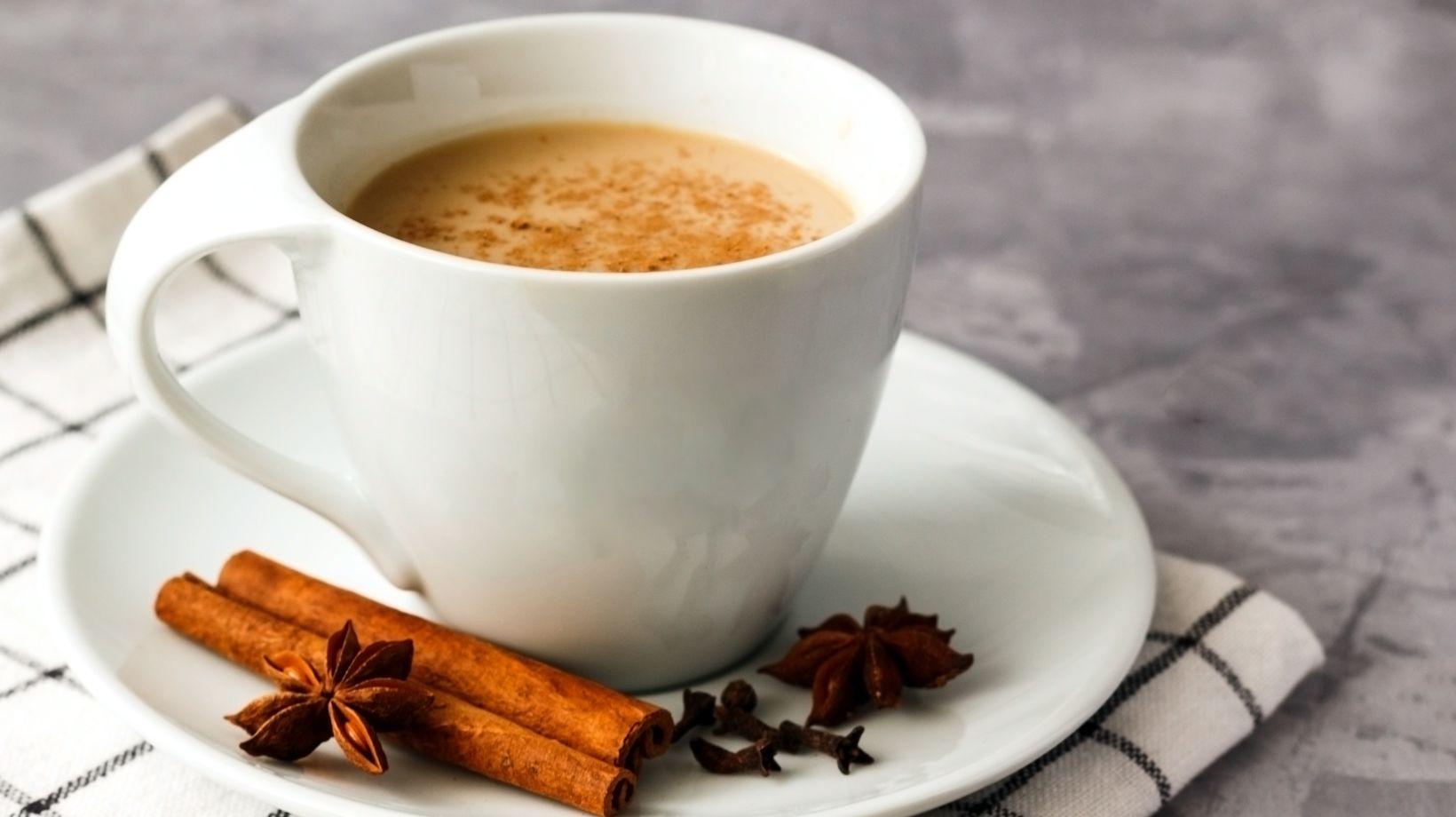
Anyone who cooks seriously eventually becomes a sourcing nerd. You learn that saffron is graded, that vanilla has origins worth arguing about, that the same tea leaf becomes six different teas depending on how it is handled after picking. Those instincts, developed over years of grocery runs and spice-shop visits, transfer surprisingly well to a category most food lovers know little about: specialty imported botanicals. Kratom, a milled leaf product from Southeast Asia that now shows up in specialty shops and online storefronts across the country, is a perfect case study, because everything a cook already knows about tea, coffee, and spices applies almost directly to evaluating it.
It Starts, Like Everything, With the Plant
Kratom is dried leaf from Mitragyna speciosa, a tall tropical evergreen that belongs to the same botanical family as the coffee plant. It grows across Indonesia, Malaysia, and Thailand, where leaves are picked by hand from mature trees, dried, and milled into a fine powder, a process any tea lover would recognize immediately. Virtually all of the product sold in the United States begins overseas and travels through importers to domestic processors. In other words, it is an agricultural import with terroir, harvest variation, and handling differences, exactly like the beans and leaves already in your pantry, and it deserves the same skepticism about anonymous middlemen.
Reading Botanical Names Like a Menu
Kratom labels carry names like Gold Bali, Red Borneo, or White Maeng Da, and they are easier to decode than they look. The naming runs on a loose horticultural convention. The color designation describes the leaf vein and, more practically, the drying and curing method applied after harvest; gold products, for example, are generally associated with extended drying processes. The second word is a regional or trade name, and here the tea comparison is exact: just as most Ceylon tea today is a style rather than a strict geographic guarantee, Bali was historically a shipping hub whose name attached itself to leaf passing through the port, wherever it grew. These names tell you about processing style and trade lineage, not about what a product does, and honest sellers present them that way, the same way a good spice merchant explains the difference between Ceylon and cassia cinnamon without promising either will change your life.
The Certificate of Analysis Is the New Farm Tour
Food people already understand traceability; it is why farmers market shoppers ask which farm grew the tomatoes. For imported botanicals the equivalent is third-party lab testing, done batch by batch. Reputable companies send every lot to an independent laboratory to screen for heavy metals like lead, microbial contamination including salmonella and E. coli, and adulterants, then publish the certificate of analysis keyed to a lot number printed on the package. One dusty lab report from two years ago is the equivalent of a stock photo of a farm: decoration, not documentation. The American Kratom Association (americankratom.org) maintains vendor standards built around per-batch testing, and the U.S. Food and Drug Administration (fda.gov) publishes general guidance on botanical products that is worth any careful shopper’s time.
Buy From the Roaster, Not the Reseller
Coffee people learned long ago that the shortest supply chains produce the most accountable products, which is why single-roaster bags beat mystery-blend bulk bins. The same logic sorts the botanical market. A large share of what is sold online comes from resellers who buy bulk powder and repackage it with a sticker printer, while the professional end of the market operates like actual food manufacturing: GMP-qualified facilities, documented milling and packaging procedures, and lot numbers that trace back through every step. Vertically integrated companies are the single-roaster equivalent. Kingdom Kratom, a San Antonio manufacturer, is a useful example of the pattern: it mills and packages in-house, has every batch tested by a third-party lab before release, and publishes package-level details for products like its gold bali capsules, down to counts and fill weights. Whoever you buy from, that is the standard of transparency to insist on, the same way you would with olive oil or honey, two categories where adulteration taught shoppers to demand paperwork.
Storage: Treat It Like Good Tea
Here the food blog wisdom applies without modification. Milled leaf is hygroscopic and light-sensitive, which means the enemies are the usual three: humidity, light, and heat. Skip the sunny windowsill and the cabinet above the stove. A cool, dry, dark cupboard is right, with the product kept in its original labeled packaging so the batch number stays attached to the contents. If the package will not reseal well, put the whole labeled bag in an airtight, opaque container rather than decanting loose powder into an unlabeled jar; an unlabeled botanical has lost its traceability, and in a busy kitchen it is one more thing to be mistaken for something else. On that note, store adult-use botanicals apart from cooking ingredients entirely, sealed and out of reach of children, exactly as you would handle anything else that is not food.
A Shopper’s Checklist, Pantry Edition
Pulling it together, evaluating a specialty botanical vendor takes one cup of coffee’s worth of time. Confirm the seller can name their sourcing region and describe the supply chain. Read strain names as processing descriptions, not promises. Find the per-batch certificate of analysis and match it to the lot number on the package. Prefer manufacturers with GMP facilities over anonymous repackagers. Check the label for botanical name, net weight, and batch code, and check the package for a tamper-evident seal. Then store it like the good tea it botanically resembles: cool, dark, dry, and sealed.
The Same Instincts, One Aisle Over
The pleasure of food culture has always been partly about knowledge, knowing why one vanilla costs triple and which olive oil is actually from where the label implies. Specialty botanicals reward the same curiosity and punish the same laziness. The shoppers who bring their spice-drawer diligence to this aisle end up with well-documented, well-stored products from accountable makers, and the ones who do not end up with mystery powder in a zip bag. As with everything in the kitchen, the difference is fifteen minutes of caring.
Healthier Choices: Swapping Out Harmful Habits for Better Ones
Improving our life is something we should all strive towards. And while it could be hard for some pe

Long Distance Love in 2026: Innovative Virtual Sex Concepts That Will Break the Monotony of Lame Video Chats
The long-distance relationships of 2026 will be able to remain passionately alive with the innovativ

The Hilarious Prank Of Sidd Finch
The Sidd Finch prank is one of the most famous hoaxes in sports history. Remember that you can downl