

What Parents in Johns Creek Should Know Before Getting Braces for Their Child

July 16, 2026
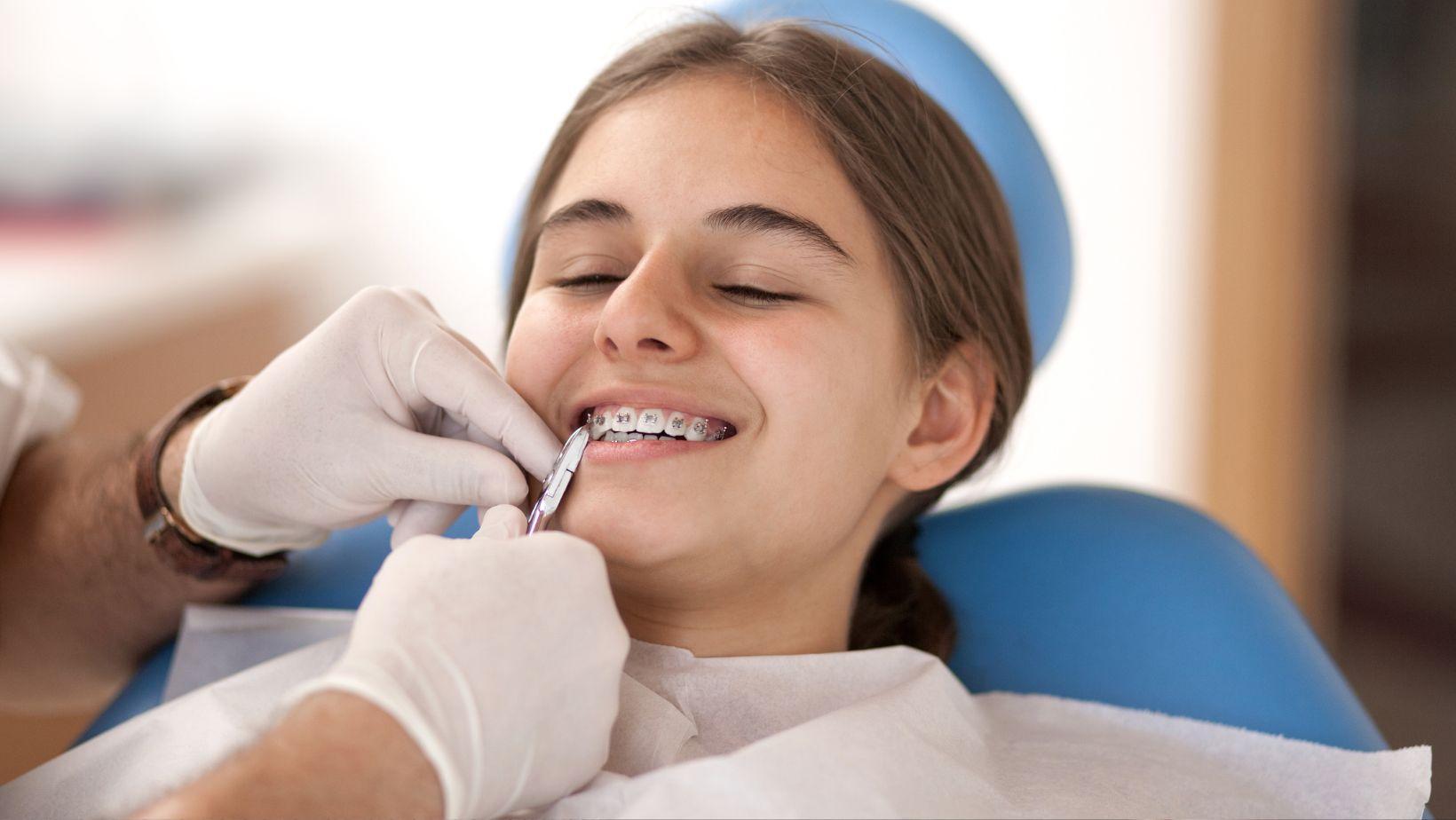
Parents in Johns Creek usually have a lot of questions when an orthodontist says a child may need braces. Knowing what happens before treatment begins can make the process easier to understand. A thorough evaluation helps determine the right time for treatment and the best approach for each child. This article explains what parents in Johns Creek should know before their child gets braces.
Early Evaluation Creates the Right Starting Point
An orthodontic evaluation is the first step before recommending braces in Johns Creek. The orthodontist carefully checks how the teeth, bite, and jaws are developing to decide if treatment should begin or if it is better to continue monitoring growth. Since every child develops differently, the right timing depends on individual needs rather than age alone. This first visit also helps identify concerns such as crowding, spacing, or bite problems before they become more noticeable. Parents leave with a better understanding of their child’s smile and a clear idea of what comes next.
Several Factors Shape the Treatment Plan in Johns Creek
Every child has different orthodontic needs, so treatment is never planned using the same approach for everyone. The orthodontist gathers important information before deciding the most suitable option for the child’s smile and bite.
Records Help Build an Accurate Treatment Plan
The evaluation may include:
- Digital X-rays to examine developing teeth
- Clinical photographs to record the current smile
- Bite analysis to check tooth alignment
- Digital images or study models to review tooth positions
- Growth evaluation to determine the best treatment timing
These records help the orthodontist recommend care based on complete and accurate information.
Treatment Timing Differs for Every Child
Some parents in Johns Creek believe braces begin right after the first consultation, but that is not always the case. The orthodontist recommends treatment only when it will provide the greatest benefit for the child’s dental development. Some children are ready to begin sooner, while others simply return for regular checkups until the timing is right. This personalized approach helps families understand that treatment decisions are based on growth, bite development, and tooth position instead of following a fixed schedule.
Open Conversations Lead to Better Decisions
A consultation is the best time to ask questions and understand every step of the treatment process. Clear communication helps parents know what to expect before braces are placed and allows children to feel more comfortable about future appointments.
Helpful Questions Parents Can Ask
- Does treatment need to begin now?
- What orthodontic concerns were found?
- What are the treatment goals?
- How long may treatment take?
- How frequently will appointments be scheduled?
- What daily care will help protect the teeth?
These discussions give families the confidence to make informed decisions before treatment begins.
Prepare Your Children for Their Braces Journey
Preparing a child before the first braces appointment can make the experience feel much more comfortable. Parents can explain that the orthodontist will place the braces carefully and answer any questions along the way. Simple, positive conversations help children know what to expect and reduce unnecessary worry.
Families considering braces in Johns Creek can also encourage children to ask questions before treatment begins. Knowing why braces are needed and understanding the next steps helps children feel more confident about the process. A little preparation before the first appointment helps everyone begin treatment with greater peace of mind.
Preparing for braces starts with learning how treatment decisions are made and why every child has different orthodontic needs. A careful evaluation, the right timing, and open communication help parents make confident choices for their child’s smile. A personalized treatment plan creates a strong foundation for healthy dental development and long-term oral health.

5 Quick Post-Workout Snacks That Won’t Upset Your Stomach
I used to think the burning sensation in my stomach after workouts was just part of the process. Tur

Sip Your Way to Calm: How CBD Drinks Can Help Reduce Anxiety
The wellness world is in the midst of a massive wave – the concept of sipping your way to calm

Digestive Support for Dogs With Sensitive Stomachs: What Actually Works (and What Doesn’t)
A dog throws up on the rug. Again. And the person standing there with a paper towel starts wondering