

From recipe to takeaway: How to pack soups and stews so they travel well

September 9, 2026

You’ve just finished a pot of soup or stew. It smells perfect, the texture is right, and the seasoning is exactly where you want it. The next step is getting it from the kitchen to wherever it needs to go, whether that’s a lunchbox, a delivery bag, or a customer’s table, without the broth spilling or the heat disappearing.
Soups and stews are among the hardest dishes to transport well. The liquid moves with every step, the temperature drops faster than most people expect, and a weak container can turn a good meal into a messy one. The difference between a successful takeaway and a disappointing one usually comes down to two things: the container you choose and the way you pack and carry it.
This guide walks through both. You’ll see what actually matters when selecting containers for hot liquid dishes, and the simple sequence that keeps soups and stews intact from pot to destination.
Select containers built for soups and stews
The right container needs to keep hot liquid contained while staying stable during handling. Three features are particularly important.
- A lid that stays locked under movement: A good lid does more than sit on top. It needs to resist the constant pressure of liquid that moves when the container is tilted, stacked, or carried. In practice, this means a tight, consistent seal around the full rim rather than a loose snap that can lift under pressure. When the seal holds, the broth stays inside even if the bag shifts during a short walk or car ride. This single feature removes the most common complaint about soup and stew takeaway: stained bags and lost liquid.
- Walls that stay rigid when filled with hot liquid: Hot soup quickly reveals weak construction. Thin or poorly made walls soften, flex, or lose shape, which can compromise the lid seal and make the container harder to handle. Containers built with heavier board or properly engineered materials keep their form under heat. The structure stays stable, the seal remains effective, and the package is easier to carry without worrying that it will buckle. This matters both for temperature retention and for presentation. A container that holds its shape arrives looking intentional rather than collapsed.
- Sizes that match real portions and stack cleanly: The right volume makes packing simpler and transport more reliable. Single-serve or small-family sizes prevent the need to overfill or underfill. Containers that nest or stack cleanly also save space in the fridge or delivery bag and reduce the chance of tipping. Consistent sizing supports both weekly home meal prep and café or deli service, where speed and predictability matter.
For cafés and delis, these requirements also need to hold up in day-to-day service, where containers are filled, sealed and moved at pace. Soup containers for cafes and delis serving hot food from PandaPak are built with heavy paperboard to help maintain their shape with hot liquids, while the lids feature 25 to 26 locking points for a secure closure. Together, these features are designed to support the container’s performance from filling through to delivery, when heat, liquid movement and handling can put the packaging under pressure. PandaPak also offers free samples, so operators can test how the containers perform with their own soups and stews before ordering at volume.
Portion, seal and carry them correctly

Once you have a container suited to hot liquid, the way you fill and move it becomes part of the packaging solution. Treat the container, lid, portion and delivery bag as one system, rather than relying on the container alone to prevent leaks.
Portion with controlled headspace
- Leave room for movement: Fill the container to a practical level rather than taking the contents right up to the lid. Soup and stew can shift during braking, turning and lifting, so some headspace gives the liquid somewhere to move without immediately pushing against the closure.
- Keep portions consistent: Use the same fill level for each order, so staff are not deciding by eye during busy service. This makes portions more predictable and gives you a repeatable starting point when testing how a container performs with a particular soup or stew.
Seal fully before any movement
- Match the lid to the container: A lid that looks like it fits is not necessarily a reliable closure. Use the lid specified for the container and check that it sits evenly around the full rim. The container and lid need to work as one system because even a small section that has not engaged properly can become a leak path during transit.
- Build in a quick closure check: After filling, press or snap the lid into place according to its design and inspect the rim before moving the container. This takes only a moment but can catch an incomplete closure before it reaches the delivery bag. For higher-volume operations, making this part of the packing routine is more reliable than leaving it to individual judgement.
Keep containers upright and protected in transit
- Control movement inside the bag: Keep sealed containers upright and pack them so they cannot slide or tip as the bag is lifted or carried. Avoid placing heavier items on top of soup containers, as pressure or movement can distort the pack or disturb the closure.
- Match the setup to the journey: A short, level car journey creates different demands from a longer scooter delivery with repeated braking and turning. If you regularly deliver, test the complete setup with a representative order, including the container, lid, fill level and delivery bag, rather than judging performance on a stationary counter.
For longer journeys, an insulated delivery bag can also help reduce heat loss, although the final temperature depends on factors such as portion size, holding time and delivery distance as well as the packaging itself.
A practical next step
For soups and stews, reliable takeaway packaging starts with the right container but does not end there. The seal, fill level and way the package is handled in transit all contribute to whether the food arrives as it left the kitchen. For foodservice operators, choosing a supplier that can support those requirements consistently is the next part of the equation.
PandaPak supports these needs with a foodservice packaging range and experience in real delivery-led operations. As an Encore Kitchens partner, PandaPak supplies packaging to a multi-site foodservice operation, while its products are made to meet relevant UK and EU food safety requirements. Stock items are typically dispatched within 1–2 working days across mainland UK, and free samples are available for operators who want to test packaging with their own menu before ordering at volume.

Types of Mini Candy Canes in Bulk: Flavored, Traditional, and Novelty Options
Mini candy canes bulk are classic candies that somehow combine flavor and functionality, all wr
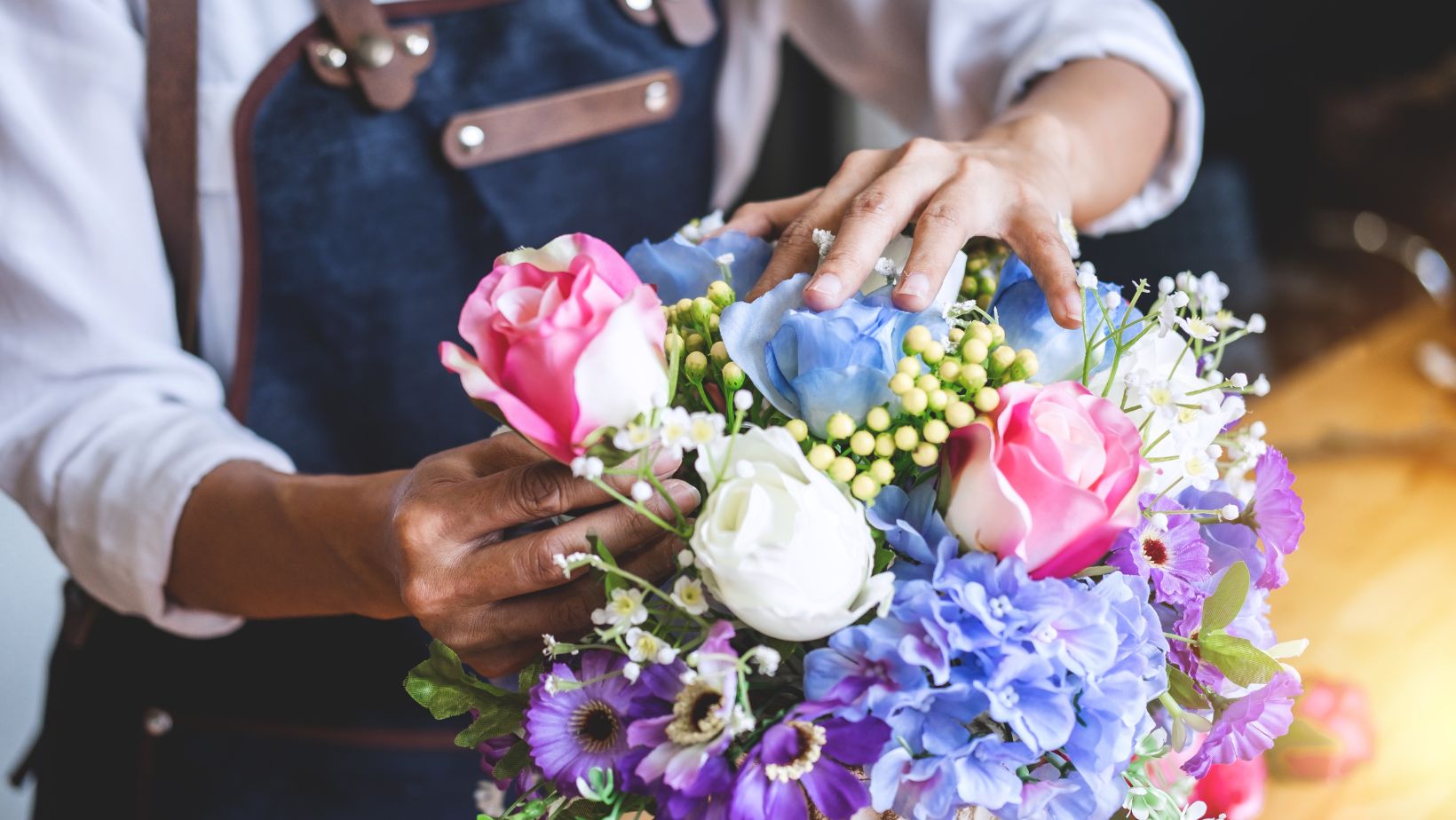
How to Choose the Perfect Florist in Gaborone for Your Needs
Flowers are a timeless way to express emotions, celebrate special moments, or even offer condolences

The Rise of Mushroom Gummies: Benefits, Effects, and What to Expect
In the ever-evolving landscape of alternative wellness, a new star has risen to prominence: mushroom