

Healthy Meal Prep Ideas That Actually Support Your Fitness Goals

March 24, 2026
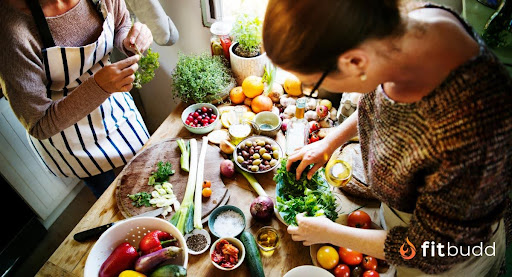
Most people do not fall off their fitness goals at the gym. They fall off in the kitchen. When there is nothing ready to eat after a long day, the easiest option wins, and the easiest option is rarely the most nutritious one.
Healthy meal prep changes that equation entirely. A few hours of planning and cooking each week can make the difference between fueling your body well and reaching for whatever is closest.
Here is a practical guide to building a meal prep routine that works for your life and your fitness goals, without turning your kitchen into a full-time job.
Why Meal Prep and Fitness Goals Go Hand in Hand
Nutrition accounts for the majority of body composition outcomes. Training matters, but what you eat consistently over weeks and months is what drives real change.
A 2020 study published in the International Journal of Behavioral Nutrition and Physical Activity found that people who planned their meals in advance had significantly better diet quality and were less likely to be overweight than those who did not.
The logic is simple. When food is already prepared, you remove the decision fatigue that leads to poor choices. You are not calculating macros at 7 pm when you are hungry and tired. The decision was already made on Sunday.
The Three Principles of Effective Meal Prep
Before diving into specific recipes and strategies, it helps to understand the three principles that make meal prep sustainable rather than exhausting.
Batch, do not replicate
You are not cooking seven identical dinners. You are preparing components, like grains, proteins, and roasted vegetables, that can be combined into different meals throughout the week.
Prioritize protein
Protein keeps you full longer, supports muscle recovery after training, and requires more energy to digest than fats or carbohydrates. Every meal prep session should have protein as its anchor.
Keep it genuinely enjoyable
The best meal-prep routine is the one you actually follow. If you dread eating the same bland chicken and rice every day, you will stop prepping within two weeks. Variety and flavor matter.
What to Prep Each Week for Fitness-Focused Eating
A solid weekly prep session does not need to take more than two hours. Here is a framework that covers most of what you need.
Proteins to Batch Cook
These hold well in the fridge for four to five days and reheat without losing quality:
- Baked chicken thighs or breasts seasoned simply with olive oil, garlic, and herbs
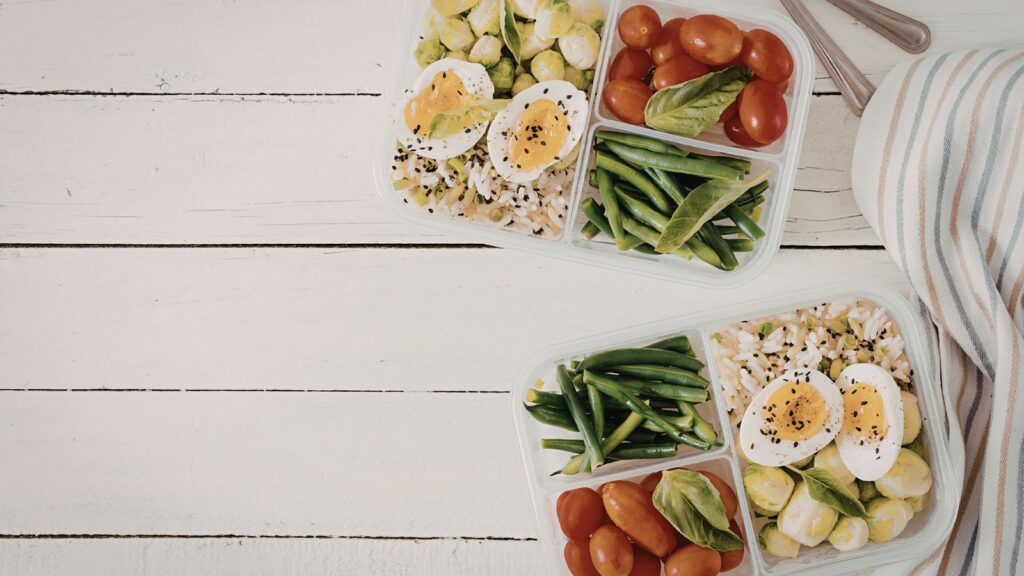
- Hard-boiled eggs are a fast, high-protein snack that requires almost no effort
- Ground turkey or lean beef cooked with onion and basic spices, ready to add to bowls or wraps
- Canned fish like tuna or salmon for days when you want zero cooking involved
Carbohydrates and Grains
- Brown rice or quinoa cooked in a large batch, portioned into containers
- Roasted sweet potato cubes with a little cinnamon and olive oil
- Whole grain pasta cooked al dente, so it does not go mushy when reheated
Vegetables
Roasting a large sheet pan of mixed vegetables takes about 25 minutes and adds color, fiber, and micronutrients to any meal during the week.
Broccoli, zucchini, bell peppers, and cherry tomatoes all work well together and reheat without becoming soggy.
How to Find Recipes That Match Your Fitness Goals
The harder part of meal prep for many people is not the cooking itself. It is knowing what to cook in a way that aligns with their specific goals, whether that is building muscle, losing fat, improving energy, or simply eating more whole foods.
This is where tools designed specifically for fitness nutrition become genuinely useful. An AI Recipe Generator can take your dietary preferences, calorie targets, or macronutrient goals and generate recipe ideas tailored to what you are actually working toward.
Rather than spending 30 minutes searching through generic results that may or may not fit your needs, you get recipes built around your parameters from the start.
For anyone who meal preps regularly, that kind of specificity saves both time and guesswork.
Structuring Your Meals Around Your Training Schedule
Not all meals need to be identical throughout the week. Your training schedule should influence what you eat and when you eat it.
On training days, prioritize carbohydrates before and after workouts for energy and recovery. On rest days, you can shift toward slightly higher-fat, lower-carb meals while keeping protein consistent. This does not require precise tracking unless you want it to.
Even a basic awareness of these principles makes a meaningful difference in how you feel and how you recover.
Building a Routine That Lasts Beyond the First Week
The most common meal prep mistake is treating it as an all-or-nothing activity. People try to prep every single meal for the week, burn out after two sessions, and stop entirely.
A more realistic approach is to prep the components that take the most time and leave quick assembly for the rest.
If you have cooked proteins, grains, and vegetables in your fridge, you can assemble a balanced meal in 5 minutes. You are not relying on willpower at the end of a long day. You are just putting a few things together.
Pairing Food With the Right Fitness Structure
Meal prep works best when it is paired with a clear training plan. Knowing what your workouts look like each week lets you match your nutrition to your output.
Platforms like FitBudd give fitness professionals a personalized, branded app and the tools to deliver personalized training programs to their clients, which means the people guiding your workouts can also inform your weekly nutrition alongside you.
When training and eating are planned together rather than independently, results tend to follow much more consistently.
Simple High-Protein Meal Ideas to Get You Started
If you are new to fitness-focused meal prep, here are five combinations you can build from the components listed above:
- Brown rice, baked chicken thighs, roasted broccoli, and a drizzle of tahini
- Quinoa bowl with ground turkey, roasted bell peppers, and sliced avocado
- Whole-grain pasta with tuna, cherry tomatoes, olive oil, and capers
- Sweet potato and hard-boiled egg plate with a handful of leafy greens and lemon dressing
- Chicken and vegetable stir-fry over rice with low-sodium soy sauce and sesame seeds
None of these requires special ingredients or advanced cooking skills. They require a couple of hours on one day of the week and a refrigerator with some containers.
Final Thoughts
Healthy meal prep is not about perfection or eating the same thing every day. It is about removing the friction between wanting to eat well and actually doing it.
Start with two or three prepped components, build from there, and adjust as you learn what works for your schedule and your taste.
The best food for your fitness goals is the food you will actually eat consistently. Make it enjoyable, keep it simple, and let the prep do the heavy lifting.

Simon Cox
Simon is an experienced cook and dedicated father who has been in the foodservice industry for over a decade. A culinary school graduate, Simon has refined and perfected his skills, both in the kitchen and at home as a father of two. He understands flavor combinations like few others do and is able to create amazing dishes with ease. In addition to his cooking skills, Simon also has the unique ability to connect with his two children. Working in kitchens around the world, he has learned how to juggle parenting duties while still finding time for himself and his family. Whether it’s reading stories with them or teaching them how to make their own meals, Simon puts a premium on teaching his children valuable life lessons that will last them well into adulthood.
Explore Culinary Delights on justalittlebite .com: Easy Recipes & More
In the vast world of food blogs, justalittlebite.com stands out as a delightful destination for culi
Beneath the Bonnet: Decoding the Intricacies of Your Vehicle’s Battery
In the silent moments between turning the key and the engine’s roar, there lies a humble, yet

The Maintenance-Free Bathroom: A Deep Dive into the Longevity of PVC Waterproof Rollers
Quick Answer (The Bathroom Durability Verdict) In 2026, the bathroom has transitioned from a purely