

What Ayurveda Would Tell a Chef About Sauces (That Culinary School Never Did)

February 5, 2026
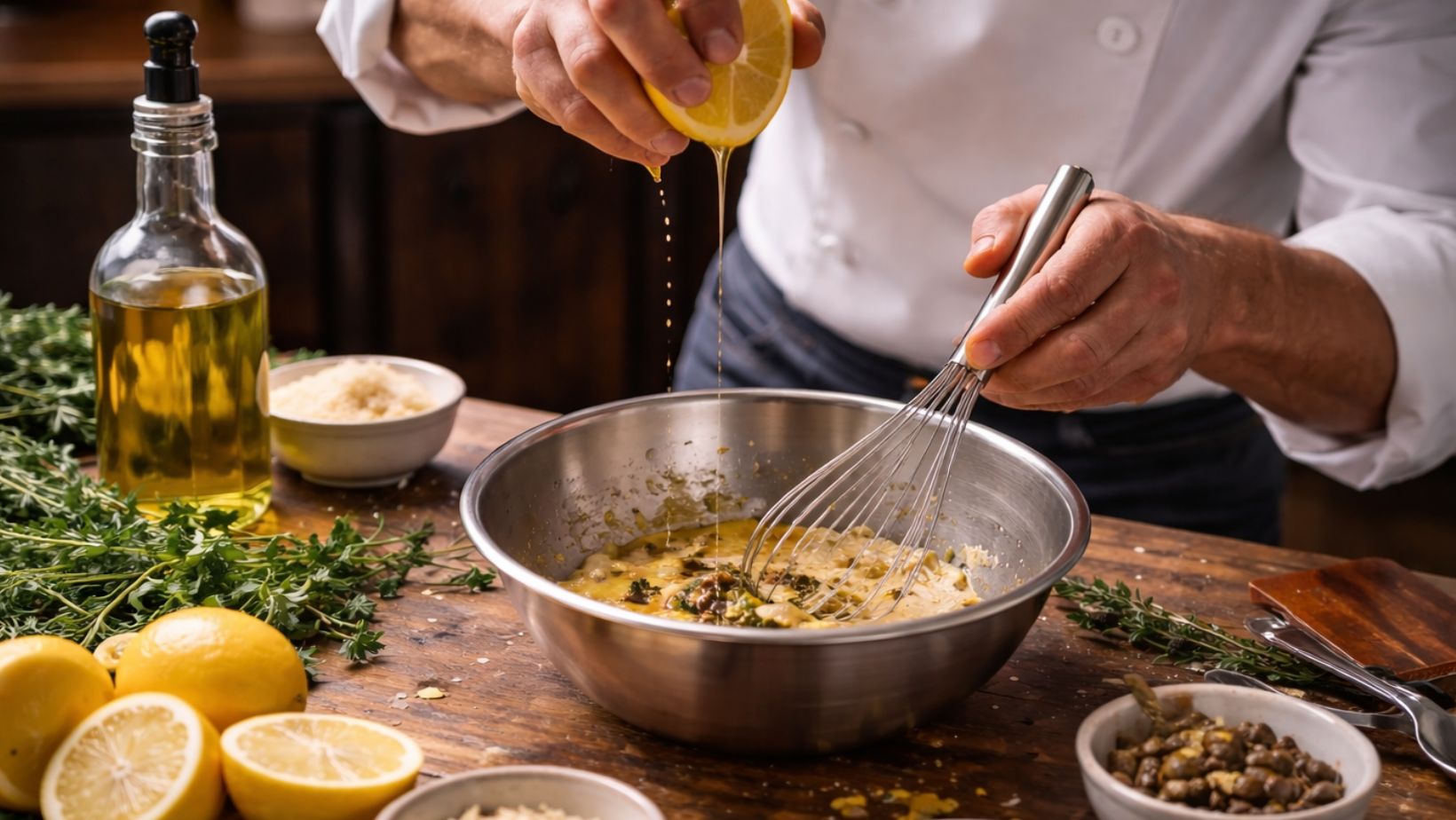
Great chefs don’t randomly combine ingredients.
They layer flavors, emulsify textures, and build sauces that make dishes iconic.
Ayurveda respects that precision — but it evaluates food using a different lens: digestive intelligence.
Not whether something tastes brilliant, but whether the body can process it cleanly after the applause ends.
Many famous sauces and flavor constructions rely on ingredient pairings that Ayurveda considers incompatible when used regularly — not wrong, just physiologically demanding.
Here are five classic chef-style sauce and flavor combinations that Ayurveda flags, along with how chefs can think about them differently.
1. Fruit Acids + Dairy (The Cream Reduction Problem)
Chefs use fruit acids to cut richness. Citrus, wine reductions, berry coulis — they’re essential tools.
Ayurveda agrees with balance, but not with how fruit acids interact with dairy internally.
Fruit digests quickly and ferments easily. Dairy digests slowly and heavily. When combined, fermentation can begin before digestion finishes.
Classic chef examples
- Lemon cream sauce for pasta or fish
- Orange beurre blanc
- Berry coulis over mascarpone or whipped cream
These sauces taste clean and elegant — but digestion experiences them as conflicting speeds.
Ayurvedic insight
Acid + dairy destabilizes digestion over time, especially for sensitive guts.
Chef-level adjustment
- Replace fruit acids with wine or vinegar reductions
- Use nut creams or coconut milk when fruit acidity is central
- Apply fruit elements as accents, not emulsified bases
2. Meat + Heavy Cream Sauces (The Luxury Trap)
Cream sauces are the backbone of classic French technique. Ayurveda doesn’t dispute their brilliance — only their frequency and load.
Meat and dairy are both heavy, slow-digesting foods. Together, they demand exceptional digestive strength.
Classic chef examples
- Chicken Alfredo
- Veal in cream reduction
- Beef stroganoff
These are celebratory dishes, not daily foods — a distinction Ayurveda strongly agrees with.
Ayurvedic insight
Heavy + heavy overwhelms digestion, especially at night or with low metabolic fire.
Chef-level adjustment
- Use reductions, stocks, or emulsified fats instead of cream
- Finish meats with ghee, olive oil, or spiced broths
- Let dairy be a garnish, not the foundation
3. Fish + Dairy Emulsions (One of Ayurveda’s Hard Lines)
This one clashes directly with European culinary tradition.
Ayurveda considers fish and dairy energetically incompatible due to opposing thermal and post-digestive effects.
Classic chef examples
- Salmon with dill cream sauce
- Lobster bisque finished with cream
- Seafood gratins
From a flavor perspective, these are classics. From an Ayurvedic lens, they are digestively disruptive, particularly for skin and inflammatory conditions.
Ayurvedic insight
Fish + dairy creates metabolic residue rather than nourishment.
Chef-level adjustment
- Use olive oil, coconut milk, or clarified butter
- Build richness through emulsified stocks
- Highlight herbs, aromatics, and acidity instead of cream
4. Sweet Sauces with Savory Proteins (The Modern Fusion Issue)
Sweetness balances heat and salt — chefs know this instinctively.
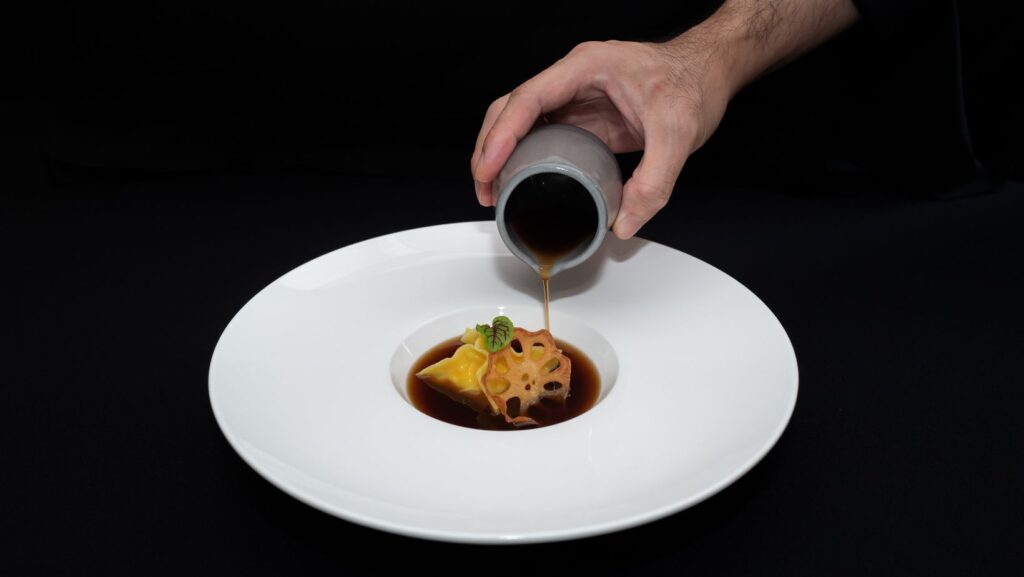
Ayurveda distinguishes natural sweetness from concentrated sugars, especially when paired with proteins.
Modern chef examples
- Honey-glazed chicken
- Maple-glazed salmon
- Sweet chili reductions with meat
Sweet + protein slows digestion significantly and can create heaviness when overused.
Ayurvedic insight
Sweet sauces are grounding; proteins are grounding. Together, they demand restraint.
Chef-level adjustment
- Use spices for perceived sweetness instead of sugars
- Keep sweet glazes thin and minimal
- Balance with bitter or pungent elements
5. Cold Emulsions on Hot Foods (Temperature Conflict Inside the Body)
Chefs use cold sauces deliberately — contrast is part of refinement.
Ayurveda evaluates temperature after ingestion, not on the plate.
Chef examples
- Cold yogurt sauces on hot meats
- Chilled aioli with hot proteins
- Cold cream-based dressings on hot dishes
Cold constricts digestion; heat activates it. Mixing them creates internal confusion.
Ayurvedic insight
Digestive fire responds to temperature more than flavor.
Chef-level adjustment
- Warm sauces gently before service
- Use spiced yogurt cooked into sauces rather than raw
- Match thermal logic even when contrast is visual
Taste vs Flavor: The Chef–Ayurveda Bridge
Modern cuisine optimizes flavor.
Ayurveda optimizes taste and digestion.
The best chefs already understand balance — Ayurveda simply extends that balance beyond the plate and into physiology.
This is why chefs, nutritionists, and serious cooks increasingly study food through systems that explain why combinations work or fail internally. Structured learning through CureNatural’s ayurveda courses online helps translate these principles without sacrificing creativity.
And for day-to-day application, an ayurveda app can act like a quiet sous-chef — flagging combinations that delight the palate but strain digestion.
Final Thought
Great sauces are engineering marvels.
Great digestion is biological engineering.
The future of elite cooking respects both.

Simon Cox
Simon is an experienced cook and dedicated father who has been in the foodservice industry for over a decade. A culinary school graduate, Simon has refined and perfected his skills, both in the kitchen and at home as a father of two. He understands flavor combinations like few others do and is able to create amazing dishes with ease. In addition to his cooking skills, Simon also has the unique ability to connect with his two children. Working in kitchens around the world, he has learned how to juggle parenting duties while still finding time for himself and his family. Whether it’s reading stories with them or teaching them how to make their own meals, Simon puts a premium on teaching his children valuable life lessons that will last them well into adulthood.
The Safest Diets
Choosing a healthy and safe diet can seem like a Herculean task for many newbies. How do you

What Consumers Should Actually Do When A Food Recall Hits The Headlines?
Food recalls tend to appear suddenly and without much context. One day, a product sits in your fridg