

The 2026 Coastal Office: Balancing High-Speed Work with the Slow-Life Reality of the Yucatán Riviera

May 21, 2026
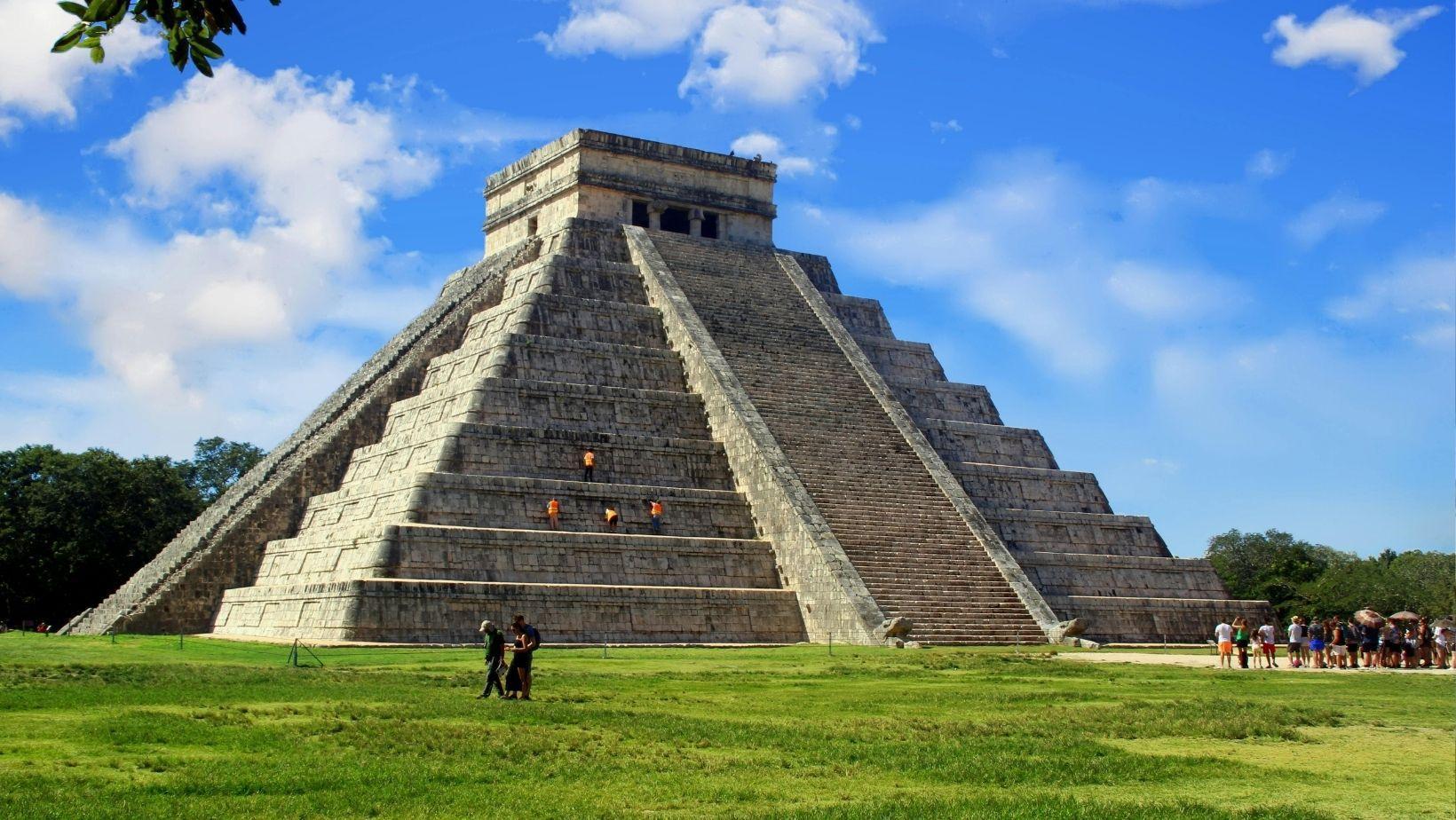
The Yucatán Riviera, also referred to as the Riviera Maya, is becoming increasingly popular among digital nomads, and it’s easy to see why. Living at a slower pace, surrounded by the ocean and jungle, while keeping up with a demanding job sounds like a dream! But is achieving this balance really that easy?
The people who make it work here long-term have figured out that you cannot run both speeds at once. You have to learn when to be fast and when to take it slow, because getting the timing wrong can ruin your entire experience.
Is the Yucatán Riviera a Good Spot for Digital Nomads?
The Mexican Riviera as a whole has become a magnet for location-independent professionals, but the Yucatán side draws more long-term remote workers because it offers a calmer pace. That said, it also brings challenges that you’ll certainly face once you're there.
What Works in Your Favor
What’s better than taking a swim after finishing a two-hour sprint on a deliverable? Most areas are close to the beach, so this is a perfectly realistic way to take a break. And talk about working hard while being surrounded by sea air and greenery!
On top of that, more coworking spaces have opened, and housing options designed for longer stays have also increased.
The Realities That Catch People Off Guard
The main challenge for digital nomads is that internet speeds can drop or cut out during storms or busy times, and power outages also happen, all of which disrupts work.
Humidity is another issue because it makes it harder to concentrate during certain hours.
And as more remote workers move in for extended periods, higher rents in some neighborhoods have created friction with residents who have lived there for many years.
How to Balance Productivity with a Slow Way of Life
The warm climate and relaxed local speed encourage slower days, but deadlines still need to be met. The best approach is to build a schedule that follows the natural temperature and light changes, so here’s one you can follow.
Your Most Productive Window
Mornings between 7 am and 11 am are cooler and quieter, so this is the best time for tasks that demand the most concentration, like writing, coding, planning, or deep thinking.
By late morning, heat and humidity creep in, so if you need to clear your mind, now is the perfect time for a swim. This break will reset your body temperature and clear the mental fog that has built up during your focused work.
Lighter Tasks and Winding Down
Early afternoon, between 1 pm and 3 pm or so, is ideal for lighter work, like answering messages or joining video calls. By late afternoon, most people are winding down, and this is when you can do easier activities such as reading or short walks to ease into the evening.
Small Habits That Keep You From Slipping
Set a firm stop time for work each day to enjoy the place without guilt. And if you struggle with distractions online, website blockers can help you with the temptation to check surf conditions or plan a weekend trip to Bacalar.
Another good idea is to look for housing with power backup options and test the internet connection during the first week. And lastly, keeping a short list of nearby calm spots for quick breaks will make it easier for you to reset when your focus drops.
Why This Schedule Works
If you don’t give your day a proper structure that works with the slow-life reality of the Yucatán Riviera, it’s easy to fall into an endless vacation mindset and put off important tasks.
But when you do, you can protect four to five hours of genuinely focused output per day, which matches or beats what most office workers actually produce when you don’t count the meetings, interruptions, and other distractions.
One Last Thing Before You Pack the Laptop
The Yucatán Riviera in 2026 is a good option for remote professionals, but you need to be honest about whether the slow pace is recharging you or just making you comfortable enough to avoid hard work.
And if you ever find yourself on a cruise to Mexico that stops along the coast, add a few extra days on land to test the rhythm firsthand.
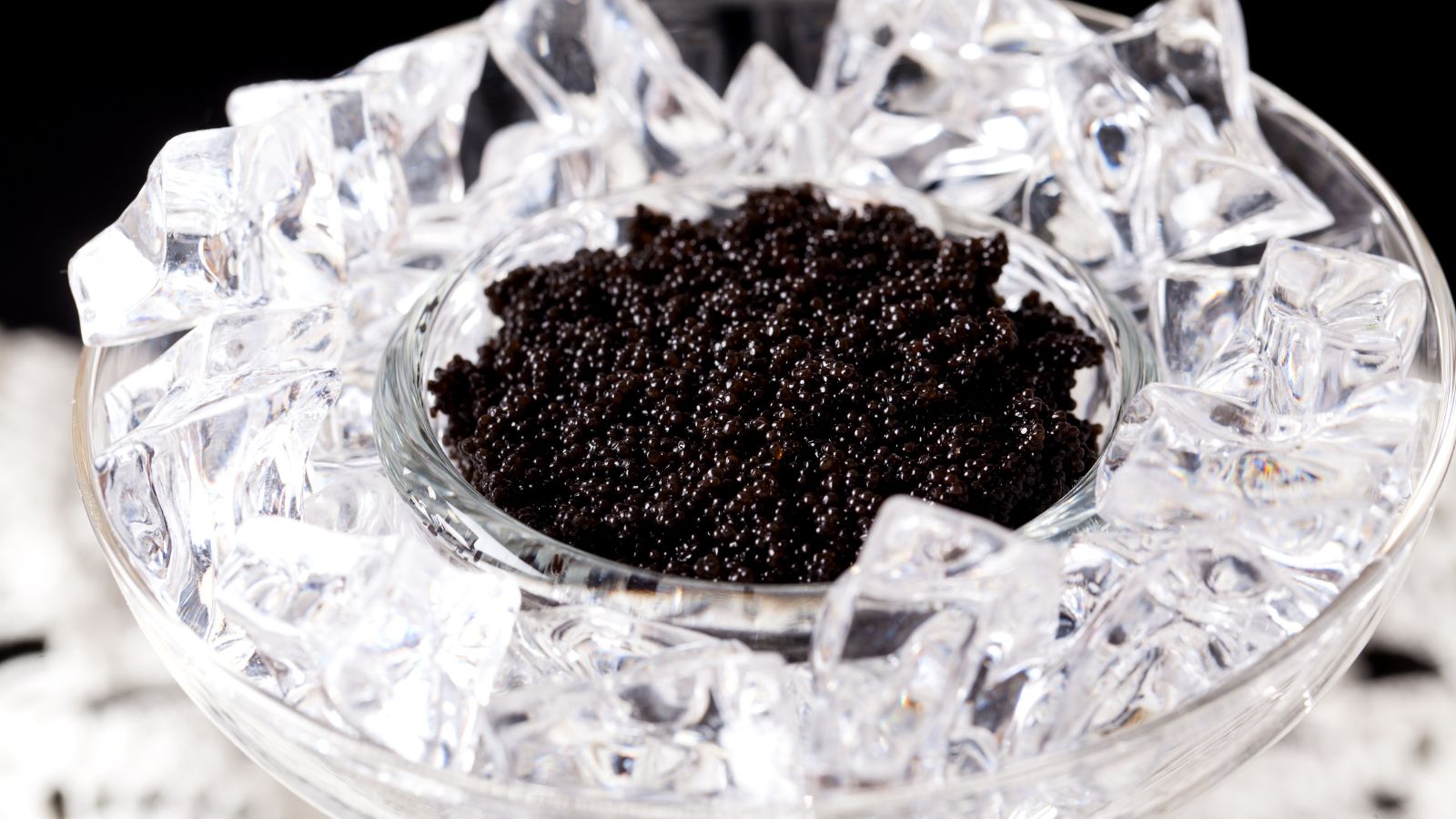
Caviar at Brunch? Why Gourmet Breakfasts Are the Next Big Thing
Brunch has long been a social ritual, a luxurious middle ground between breakfast and lunch where we

Rookie Mistakes in the Kitchen: What Overcooking Can Teach You About Strategy
It is strangely degrading to destroy a meal. You are sure you are flipping chicken, a minute later,

How to Prevent Eyes from Aging: Tips for a Brighter, Youthful Look
When it comes to skincare, one of the most delicate and noticeable areas is the eye contour. The ski