

8 Everyday Eating Habits That Protect Your Smile While Wearing Braces

September 10, 2026

Getting braces is a big step. You’re committing to months of adjustments, tightening, and regular visits to the orthodontist. But here’s the thing nobody mentions enough: what you do in the kitchen and at the dinner table plays a huge role in how smooth that journey goes. The wrong food choices can bend wires, pop brackets, and leave you with extra emergency visits. The right ones can keep your treatment on track and your teeth healthy underneath all that hardware.
You don’t need a special diet plan or fancy meal prep service. You just need a few simple habits that fit into your normal routine. Whether you’re a teen navigating school lunches or an adult managing a busy work schedule, these eight eating habits will help you protect your smile, avoid setbacks, and get to that final appointment with fewer surprises.
1. Cut Your Food Into Smaller Pieces Before You Start Eating
Here’s a simple rule that saves a ton of trouble: if you wouldn’t bite into it with your front teeth, don’t. Apples, corn on the cob, sandwiches, even pizza crusts can put serious pressure on your brackets. The fix is easy. Slice that apple into thin wedges. Cut the corn off the cob. Tear your sandwich into bite-sized pieces.
This habit takes about ten extra seconds per meal, but it can prevent a loose bracket that derails your whole month. When you chew with your back teeth instead of biting with your front ones, you reduce the force hitting your braces. That means fewer broken wires and fewer emergency trips to the clinic. Keep a small pocket knife or a plastic cutter in your bag if you eat out often. You’ll thank yourself later.
2. Chew Slowly and Give Your Braces Time to Adjust
After each adjustment visit, your teeth feel sore and tender. That’s normal. Your braces are working, and your teeth are shifting. If you rush through meals and chew aggressively, you’re adding extra strain to already sensitive teeth. Slow down. Take smaller bites. Chew deliberately.
This habit also helps you notice when something is stuck in your brackets before it becomes a real problem. When you eat quickly, you might not feel that piece of food wedged between your wire and gum. Slow chewing gives you a chance to pause, feel what’s happening, and take a sip of water to rinse things out. It’s a small change that makes the whole experience more comfortable.
3. Rinse Your Mouth Right After Every Meal
You can’t always brush right after eating, especially if you’re at school or work. But you can always rinse. Swish plain water around your mouth for about 30 seconds after any meal or snack. This simple habit washes away sugar and acid that would otherwise sit on your teeth and around your brackets.
Braces create tiny spaces where food likes to hide. Those spaces are prime real estate for plaque buildup. In fact, research shows that good oral hygiene during orthodontic treatment is critical for preventing white spot lesions, which are permanent marks on your teeth that can appear around brackets when plaque sits too long. You can learn more about what the American Dental Association recommends for oral hygiene during orthodontic treatment. A quick rinse after meals is your first line of defense.
4. Choose Soft Fruits Over Hard or Sticky Ones
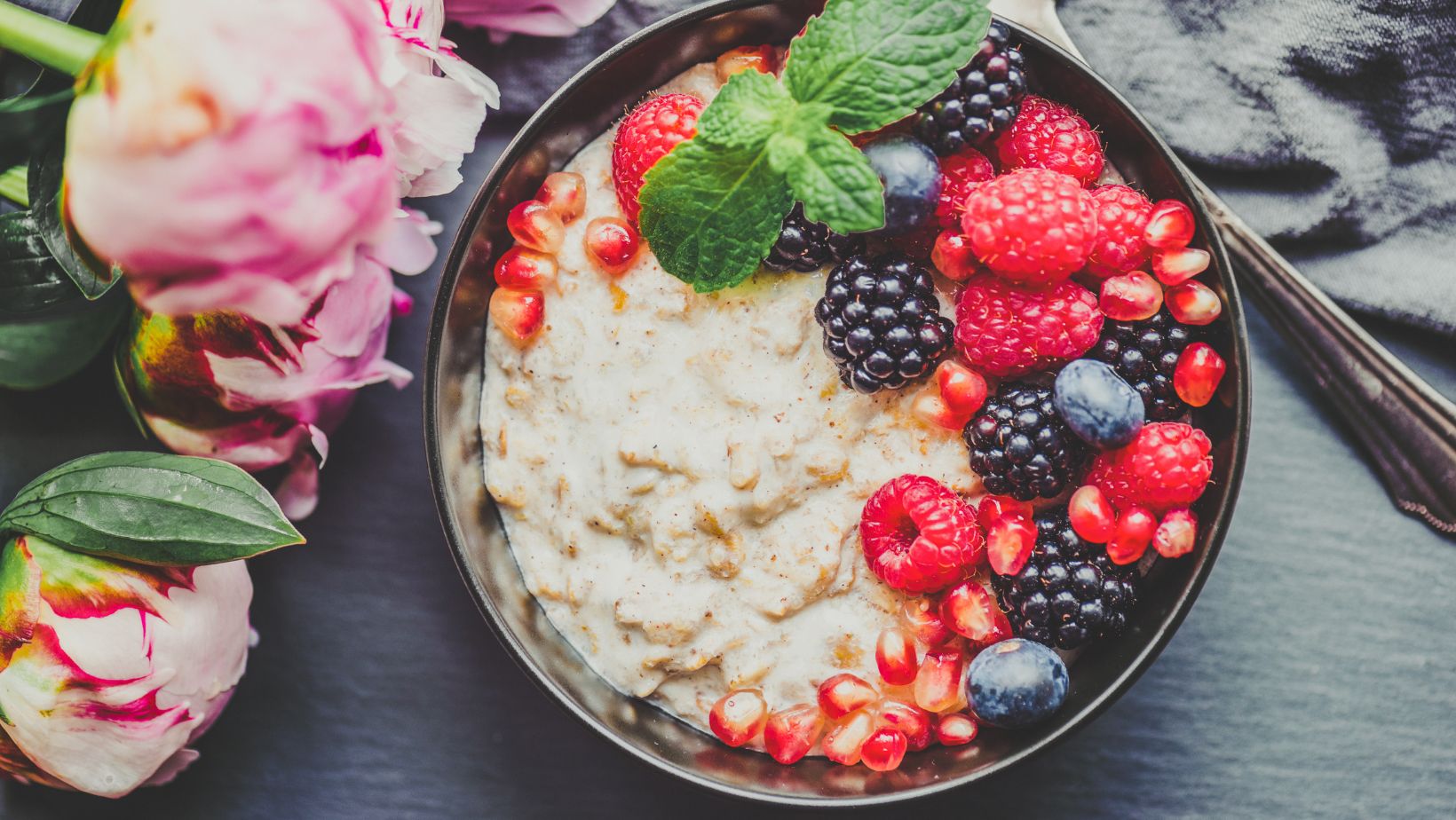
Your fruit choices matter more than you might think. Apples and pears are crunchy and require aggressive biting. Dried fruits like raisins, dates, and figs are sticky and can pull at your wires. Instead, go for bananas, berries, melon slices, or peaches. These are soft, easy to chew, and packed with vitamins that support your gum health.
If you really want apples or pears, remember rule number one. Slice them thin and eat the pieces with your back teeth. That works fine. The key is to avoid biting directly into anything hard or chewy. Your brackets are glued on, and a sudden twist from a sticky date can loosen them. Soft fruits give you the nutrition without the risk.
5. Keep a Braces-Friendly Emergency Snack in Your Bag
Hunger strikes at weird times. When you’re starving and the only option is a crunchy granola bar or a bag of chips, you’ll eat it and regret it later. Instead, carry snacks that are safe for your braces. Yogurt cups, applesauce pouches, string cheese, soft granola bars, and smoothies are all solid choices.
This habit is about planning ahead. You know you’ll get hungry between meals. You know vending machines and fast food spots don’t usually carry brace-friendly options. So pack something before you leave the house. It’s the difference between making a good choice and being forced into a risky one. Your braces won’t suffer because you got caught without a snack.
6. Limit Sugary Drinks and Drink Water Instead
Soda, sports drinks, sweetened iced tea, and juice all coat your teeth in sugar. When you wear braces, that sugar lingers around the brackets and wires, feeding bacteria that produce acid. Over time, that acid eats away at your enamel and leaves permanent stains.
You don’t have to give up sugary drinks completely, but you should limit them. Drink them with meals rather than sipping throughout the day. And always follow up with water. Water helps wash away the sugar and keeps your mouth hydrated. Saliva is your natural defense against cavities, and staying hydrated keeps your saliva flowing. If you’re curious about how sugar affects your teeth, check out this detailed overview from the National Institute of Dental and Craniofacial Research.
7. Pay Attention to Temperature Sensitivity
Your teeth become more sensitive when you have braces. That’s partly because the shifting puts pressure on the roots, and partly because your gums might be a bit inflamed from the hardware. Extremely hot or cold foods can trigger sharp jolts of discomfort. Ice cream, iced drinks, hot soup, and coffee can all cause issues.
This doesn’t mean you need to avoid these foods forever. It means you should ease into them. Take small bites. Sip slowly. If something hurts, stop and give your mouth a break. After a few days, your sensitivity usually calms down. If it doesn’t, that’s worth mentioning at your next adjustment appointment. Being mindful of temperature keeps your mealtimes pleasant instead of painful.
8. Keep Up With Your Regular Checkups and Cleaning Appointments
Your braces are doing their job, but they’re also making brushing and flossing harder. That’s why professional cleanings matter even more while you’re in treatment. Your dentist can remove plaque and tartar from areas you can’t reach at home. They can also spot early signs of enamel damage or gum issues before they become serious.
And don’t skip your orthodontic adjustment appointments either. Those visits aren’t just about tightening wires. They’re checkpoints where your orthodontist makes sure everything is moving according to plan. If you’re currently looking for braces in johns creek, make sure you choose a practice that emphasizes ongoing monitoring and patient education. The more consistent you are with appointments, the smoother your treatment goes.
Your dentist and orthodontist can also offer tips specific to your mouth. Everyone’s teeth move differently, and your treatment plan is unique. Regular visits let your care team adjust your home routine as things progress. Skipping appointments might save you time now, but it can cost you extra months in treatment later.
Wearing braces is a temporary phase that leads to a permanent change. The habits you build during this time don’t just protect your braces. They set the foundation for how you care for your teeth long after the brackets come off. Cutting your food, rinsing after meals, choosing soft options, and staying on schedule with appointments are all simple things that compound into a great result.
So start small. Pick one habit from this list and work on it this week. Next week, add another. Before you know it, these choices will feel automatic, and your smile will be on its way to the finish line.

Una Johnson
Una is a food website blogger motivated by her love of cooking and her passion for exploring the connection between food and culture. With an enthusiasm for creating recipes that are simple, seasonal, and international, she has been able to connect with people around the world through her website. Una's recipes are inspired by her travels across Mexico, Portugal, India, Thailand, Australia and China. In each of these countries she has experienced local dishes while learning about the culture as well as gaining insight into how food can be used as a bridge between different cultures. Her recipes are often creative combinations of traditional ingredients from various different cuisines blended together to create something new.

From Free Spins to Free Chips: The Most Popular Online Casino Bonuses Explained
As you usher in a fresh chapter of your life called 2025, it’s time to reconsider your online

Rcsdassk Release: Exciting Features and Upgrades You Can’t Miss
In the ever-evolving world of technology, the buzz around the latest rcsdassk release has everyone o