

Almond Flour vs. All-Purpose Flour: What Is the Difference?

September 16, 2026
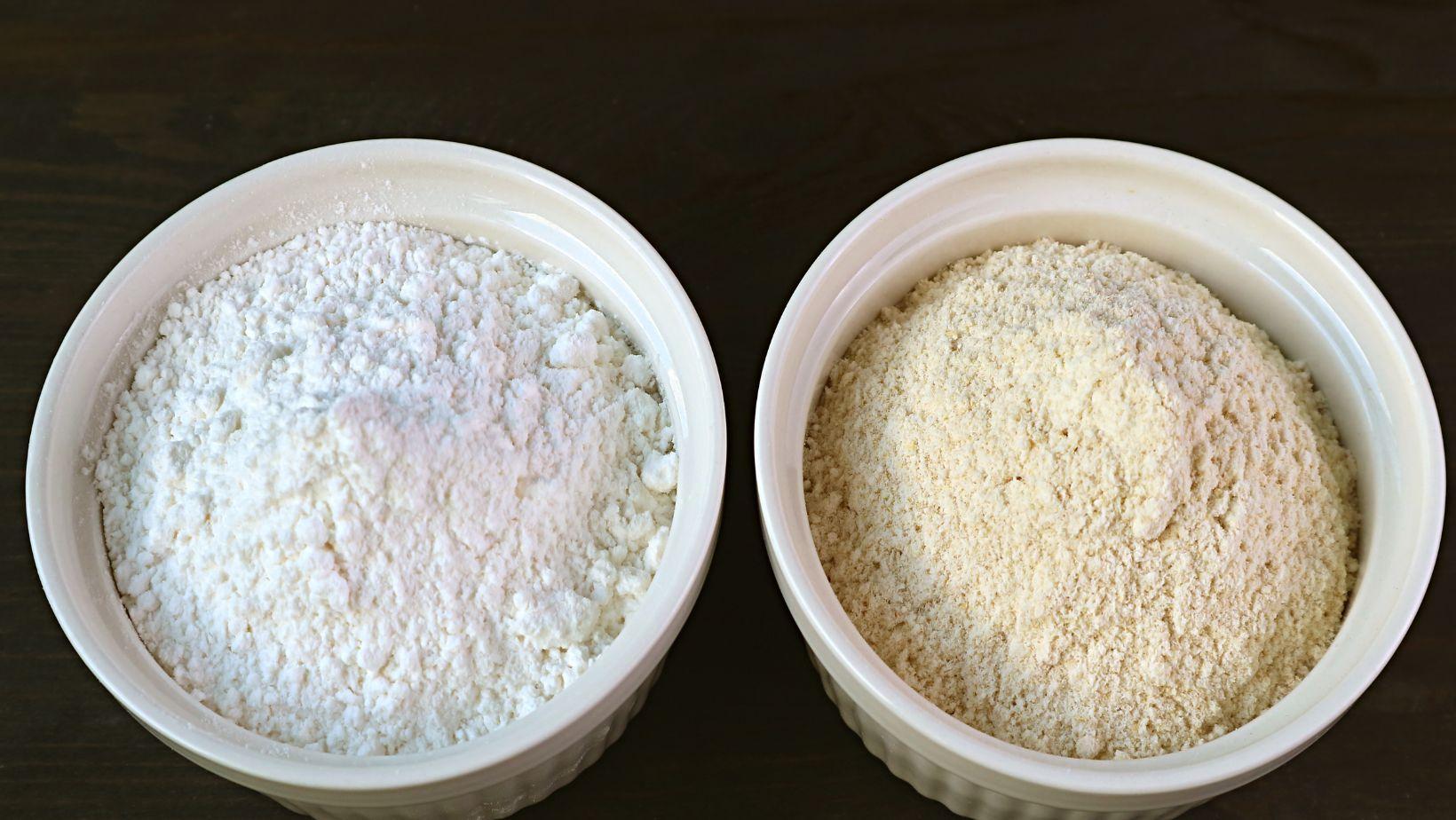
Flour is a basic ingredient in countless recipes, but different types of flour can produce very different results. Two common options are almond flour and all-purpose flour. While both can be used in baking, they differ in how they are made, their nutritional characteristics, texture, and how they behave when mixed with other ingredients.
Understanding these differences can help you choose the right flour for a particular recipe.
What Is Almond Flour?
Almond flour is made from almonds that are typically blanched and ground into a fine flour. Because it comes from almonds rather than wheat, it has a naturally nutty flavor and a different nutritional profile from traditional wheat flour.
Its fine texture makes it useful in a variety of baked goods, including cookies, cakes, muffins, and other recipes.
Almond flour also contains naturally occurring protein, fat, fiber, vitamins, minerals, and other nutrients found in almonds.
What Is All-Purpose Flour?
All-purpose flour is a wheat-based flour made from milled wheat. It is commonly used for a wide range of baking and cooking applications.
It contains gluten-forming proteins, which allow dough and batter to develop structure. This makes all-purpose flour particularly versatile for recipes where elasticity and structure are important.
It is commonly used for breads, cakes, cookies, pastries, pancakes, and many other foods.
Almond Flour vs. All-Purpose Flour
The biggest difference between these two flours is their primary ingredient.
Almond flour is made from ground almonds, while all-purpose flour is made from wheat. This difference affects their flavor, texture, nutritional composition, and performance during baking.
Because almond flour does not contain wheat gluten, it behaves differently from all-purpose flour when combined with liquids and other ingredients.
Nutritional Differences
The nutritional profiles of almond and all-purpose flour are different.
Almond flour generally contains more fat and protein than conventional all-purpose flour because almonds naturally contain these nutrients. It also provides fiber and several micronutrients.
All-purpose flour is primarily a source of carbohydrates and contains protein as well. Enriched versions may also contain added vitamins and minerals.
The exact nutritional values vary by product and serving size, so checking the nutrition label is the best way to compare specific products.
How They Affect Baking
One of the most important differences becomes apparent when the flours are used in recipes.
All-purpose flour contains gluten-forming proteins. When flour is mixed with liquid and worked, gluten contributes to the structure and elasticity of dough.
Almond flour does not form gluten. As a result, baked goods made with almond flour can have a different texture and may be more tender or dense than those made primarily with wheat flour.
This difference means the two flours cannot always be substituted for each other at a one-to-one ratio.
Flavor and Texture
Almond flour has a mild, naturally nutty flavor. This can complement recipes that pair well with almonds and other nuts.
Its texture can also contribute to a softer or more tender finished product.
All-purpose flour has a relatively neutral flavor, which makes it suitable for recipes where the flour is not intended to be a dominant flavor.
The choice between the two can therefore depend partly on the flavor and texture you want the finished recipe to have.
Can You Substitute Almond Flour for All-Purpose Flour?
Substituting almond flour for all-purpose flour is possible in some recipes, but it is not always a straightforward replacement.
Because almond flour does not contain gluten and has a different fat and moisture content, replacing wheat flour can change the structure and texture of a recipe.
Recipes specifically developed for almond flour generally account for these differences.
If you want to experiment with substitution, it may be better to start with recipes designed for almond flour rather than simply replacing all-purpose flour in a traditional recipe.
When to Use Almond Flour
Almond flour can be a useful ingredient when you want a recipe with a distinct almond flavor and a different texture from traditional wheat-based baking.
It is commonly used in cookies, cakes, muffins, quick breads, pancakes, and other baked goods.
It can also be combined with other flours to create specific textures and flavors.
When to Use All-Purpose Flour
All-purpose flour is a practical choice for recipes that rely on gluten development for structure.
It is commonly used in breads, cakes, cookies, pastries, sauces, and many other recipes.
Because of its versatility, it is often considered a staple flour for home kitchens and professional baking environments.
Which Flour Is Better?
There is no single flour that is best for every recipe.
The better choice depends on the ingredients, desired texture, nutritional goals, and type of food being prepared.
If a recipe was developed specifically for all-purpose flour, using that flour will generally provide the expected structure and texture. If a recipe calls for almond flour, using the specified ingredient helps produce the intended result.
Rather than thinking of the two flours as direct competitors, it can be more useful to consider them as different ingredients with different characteristics.
Using Almond Flour in Baking
When working with almond flour, it is important to remember that it behaves differently from wheat flour.
Its lack of gluten means that recipes may need other ingredients or techniques to provide structure. Eggs, starches, binding ingredients, or other types of flour may be used depending on the recipe.
The amount of almond flour needed can also differ from the amount of all-purpose flour called for in a recipe.
Following a recipe developed specifically for almond flour is often the simplest way to get consistent results.
Choosing the Right Flour for Your Recipe
The choice between almond flour and all-purpose flour ultimately comes down to what you are making.
For traditional breads and many recipes that rely on gluten for elasticity and structure, all-purpose flour may be the appropriate option.
For recipes where a nutty flavor, almond-based ingredients, or a different nutritional profile are desired, almond flour can be a useful alternative.
Understanding how each flour behaves can help you select the right ingredient and avoid unexpected changes in your finished recipe.
Final Thoughts
Almond flour and all-purpose flour may both be used in baking, but they are not interchangeable in every recipe.
Almond flour is made from ground almonds and has a naturally nutty flavor, while all-purpose flour is made from wheat and provides gluten-forming proteins that contribute structure to many baked goods.
Knowing the differences in their ingredients, texture, nutrition, and baking properties can help you make a more informed choice the next time you reach for a bag of flour.

Food In Indonesia: A Culinary Adventure Awaits
Steam rises from a bowl of soto ayam as a street vendor ladles golden broth over shredded chicken an

Inkohoreca’s Menu Covers: The Key to Long-Lasting Professionalism in Dining
Restaurant presentation depends significantly on menu covers since they define the initial encounter

A Friendly Guide to Understand Chicken, Pork, Beef, Turkey Grilling Tools and Techniques for Home-Based Parties!
Hosting a home grill party is a great way to bring people together. Yes, the smell of food on the gr