

Food Spices: An Essential Component of Culinary Art

December 26, 2025
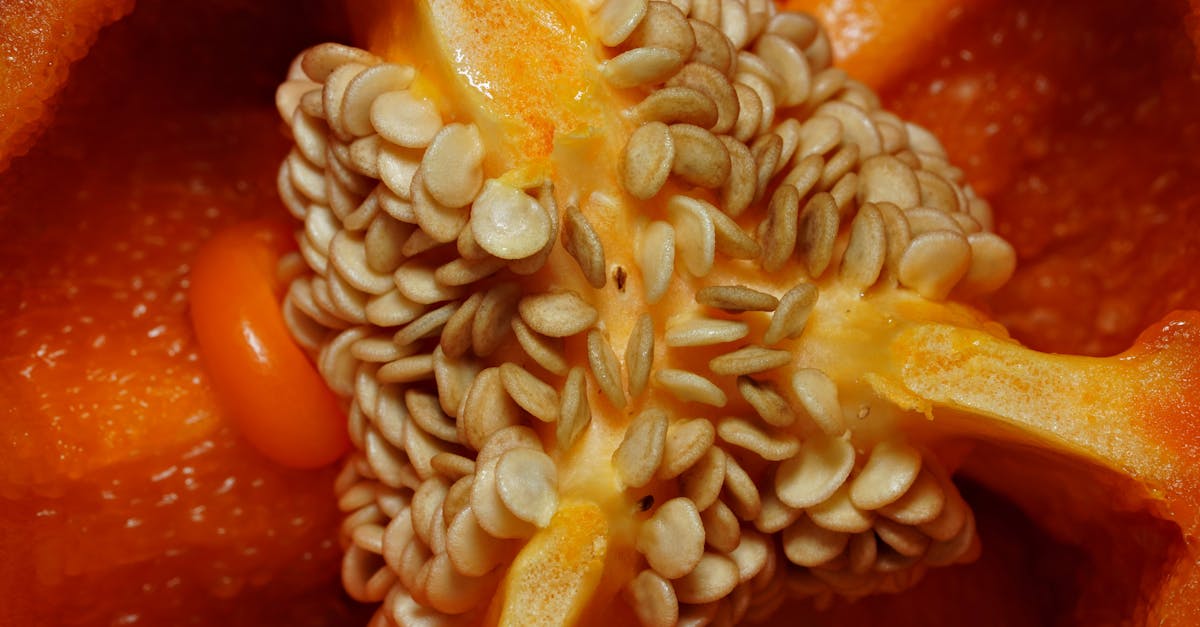
Picture this: You walk into a kitchen and the air hits you—warm, sharp, and sweet all at once. Someone’s toasting cumin seeds, crushing cardamom pods, and sprinkling cinnamon into a bubbling pot. If you’ve ever wondered why some meals taste unforgettable, food spices are the secret. They’re not just flavor boosters; they’re the heartbeats of every cuisine, the difference between bland and brilliant.
Why Food Spices Matter More Than You Think
Let’s be honest. If you’ve ever tried to cook chicken without a pinch of paprika or a dash of black pepper, you know the result: flat, lifeless, and forgettable. Food spices do more than add taste—they create memories. They turn a simple meal into a story you’ll want to tell. Here’s the part nobody tells you: spices can even change how you feel about cooking. Suddenly, you’re not just following a recipe. You’re experimenting, discovering, and sometimes, making a glorious mess.
The Science Behind Food Spices
Food spices aren’t just about flavor. They’re tiny powerhouses packed with antioxidants, essential oils, and compounds that can boost your health. Turmeric, for example, contains curcumin, which studies suggest may help fight inflammation. Cinnamon can help regulate blood sugar. Even the humble black pepper helps your body absorb nutrients better. If you’ve ever doubted the power of food spices, just look at how many cultures use them for both cooking and healing.
How Spices Work Their Magic
Here’s why your nose tingles when you open a jar of cloves: spices release volatile oils when heated or crushed. These oils carry the flavors and aromas that make your mouth water. The trick is knowing when to add them. Toasting whole spices in a dry pan unlocks their full potential. Grinding them fresh gives you a punch of flavor you’ll never get from pre-ground jars. If you’ve only used powdered spices, try the whole versions next time. You’ll taste the difference.
Food Spices Around the World
Every culture has its signature food spices. Think of Indian garam masala, Mexican chili powder, or Chinese five-spice. Each blend tells a story about the people who created it. In Morocco, cooks use ras el hanout—a mix of up to 30 spices. In Ethiopia, berbere brings heat and depth to stews. If you’re bored with your usual meals, borrow a spice blend from another country. You’ll travel the world without leaving your kitchen.
Spice Blends You Can Make at Home
- Garam Masala: Toast cumin, coriander, cardamom, cinnamon, cloves, and black pepper. Grind and store in a jar.
- Cajun Seasoning: Mix paprika, cayenne, garlic powder, onion powder, oregano, and thyme.
- Za’atar: Combine thyme, sumac, sesame seeds, and salt for a Middle Eastern kick.
Don’t worry about getting it perfect. The best blends come from experimenting. If you mess up, you’ll learn what not to do next time. That’s how every great cook starts.
How to Choose and Store Food Spices
Here’s the truth: old spices lose their punch. If your paprika’s been sitting in the back of your cupboard since last year, it’s time to let go. Buy small amounts, and use them often. Store food spices in airtight containers, away from heat and light. Whole spices last longer than ground ones. If you want the freshest flavor, invest in a small spice grinder. You’ll notice the difference in every bite.
Signs Your Spices Need Replacing
- They’ve lost their color and smell faint
- They taste dusty or bitter
- You can’t remember when you bought them
Trust your senses. If a spice doesn’t make you want to sniff it again, it’s past its prime.
Cooking with Food Spices: Tips for Every Level
If you’re new to food spices, start simple. Add a pinch of cumin to roasted vegetables. Sprinkle cinnamon on oatmeal. Try smoked paprika on chicken. For the adventurous, blend your own curry powder or experiment with star anise in desserts. The key is to taste as you go. Spices are powerful—too much can overwhelm a dish. Start small, and build up.
Common Mistakes (And How to Avoid Them)
- Adding spices too early: Some lose flavor if cooked too long. Add delicate ones like basil or parsley at the end.
- Using too many at once: More isn’t always better. Let one or two shine.
- Not toasting whole spices: Toasting brings out hidden flavors. Try it and see.
If you’ve ever ruined a dish with too much chili, you’re not alone. We’ve all been there. The lesson? Taste, adjust, and don’t be afraid to make mistakes.
Who Should Use Food Spices?
If you love food, food spices are for you. If you want to eat healthier without sacrificing flavor, spices are your best friend. If you’re bored with your usual meals, spices will wake up your taste buds. But if you hate strong flavors or have allergies, go slow. Start with milder options like coriander or fennel. Cooking should be fun, not stressful.
What Nobody Tells You About Food Spices
Here’s the secret: food spices aren’t just for chefs. Anyone can use them. You don’t need fancy equipment or rare ingredients. Start with what you have. Try something new each week. Keep a notebook of what works and what doesn’t. The more you play, the better you’ll get. And if you mess up? That’s part of the adventure.
Next Steps: Bring Food Spices Into Your Kitchen
Ready to get started? Pick three food spices you’ve never tried. Add them to your next meal. Notice how the flavors change. Share your discoveries with friends or family. Cooking with food spices isn’t about perfection—it’s about curiosity, joy, and a little bit of courage. Your kitchen is your playground. Go make something unforgettable.
Inkohoreca’s Menu Covers: The Key to Long-Lasting Professionalism in Dining
Restaurant presentation depends significantly on menu covers since they define the initial encounter

The Science of Flavor: How Smells, Tastes, and Daily Habits Influence What You Eat
Flavor plays a bigger role in your daily choices than you might think. The meals you crave, the snac