

Garden Rooms for Cafés Seeking Extra Seating Space

June 15, 2026
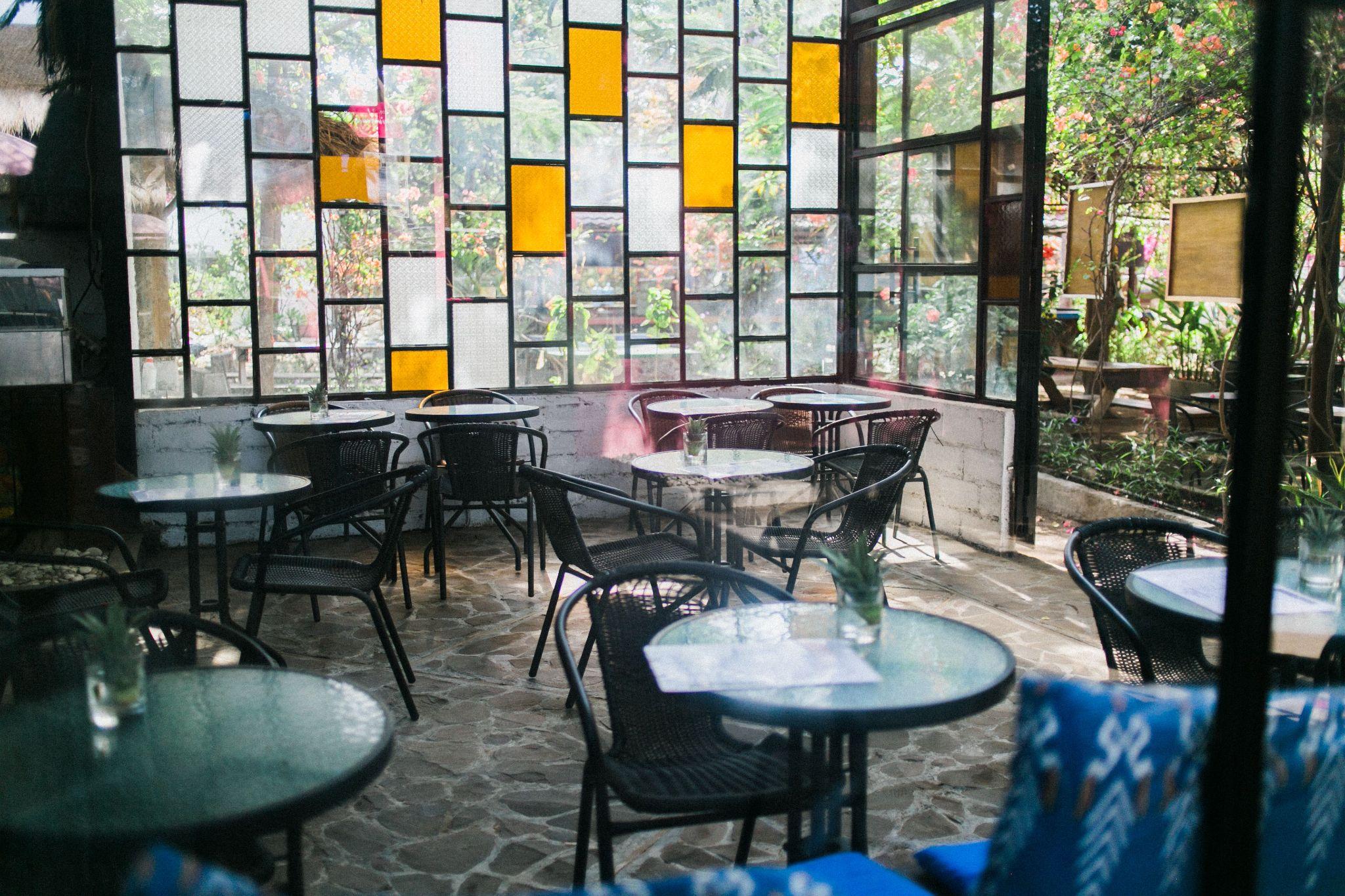
As a café owner, you know that every square foot counts. When your indoor tables are packed, and you’re turning away hungry customers on a busy Saturday morning, it hurts. You want to expand, but traditional brick-and-mortar extensions are incredibly expensive, disruptive, and take months of planning permission and construction.
There is a smarter way to grow your business without breaking the bank: dedicated commercial garden rooms, creating extra seating space for your business.
Transforming an underutilized outdoor courtyard, patio, or garden into a premium, year-round seating area can permanently solve your space constraints. Here is why modular garden buildings are becoming the ultimate growth hack for modern coffee shops and eateries.
The Café Seating Crisis: Why Spilling Outdoors Isn’t Enough
Many café owners try to solve their capacity issues by simply adding a few metal tables and chairs outside. While this works beautifully during peak summer days, it leaves you highly vulnerable to the elements.
- Weather dependency: A sudden downpour or a cold snap instantly renders your outdoor seating useless.
- Wasted square footage: For six to eight months of the year, your valuable outdoor space sits completely empty.
- Inconsistent revenue: You cannot reliably book large parties or guarantee seating when your capacity fluctuates with the weather forecast.
A standalone garden room bridges this gap. It provides the bright, airy feel of outdoor dining while offering the structural protection, heating, and insulation of an indoor dining room.
Key Benefits of Garden Rooms for Cafés and Coffee Shops
Investing in a modular wooden or composite garden structure is more than just a quick fix—it is a strategic business upgrade.
1. Rapid Installation with Minimal Disruption
Traditional extensions can shut your business down for weeks due to noise, dust, and construction crews. Modular garden rooms are mostly prefabricated off-site. The actual installation on your property often takes just a few days, meaning your daily espresso sales won’t take a hit while building happens.
2. A Distinctly Unique Dining Experience
Customers love novel spaces. A garden room creates a separate, cozy sanctuary away from the main counter hustle. You can market this space as a private event hire room, a quiet workspace for remote freelancers, or a lush, plant-filled oasis that looks perfect on social media.
3. Year-Round Revenue Generation
Equipped with high-grade insulation, double-glazed windows, and electric heating, a commercial garden room stays cozy in January and cool in July. Your extra seats remain open and profitable 365 days a year.
Design Ideas to Maximize Your New Café Garden Building
To get the highest return on your investment, your garden room should be seamlessly integrated into your brand’s aesthetic. Consider these design strategies to make the space irresistible to customers:
Biophilic Interior Design
Connect your guests to nature by bringing the outside in. Use hanging tendrils of ivy, large potted monsteras, and warm timber finishes. This natural look reduces stress and encourages customers to linger longer—and spend more.
Flexible Furniture Layouts
Instead of bolting tables to the floor, use lightweight, modular furniture. This allows you to quickly shift the layout from intimate two-person coffee dates to a long communal table for a weekend brunch party or local community workshop.
Maximize Natural Light
Opt for floor-to-ceiling glass bi-fold doors or large skylights. Not only does this make a compact footprint feel incredibly spacious, but natural light also makes your food and latte art look highly appetizing for customers taking photos.
Planning Permission and Practical Considerations
Before you order a structure, you need to address the logistics. While many residential garden rooms fall under permitted development, commercial properties face stricter scrutiny.
Commercial Garden Room Checklist:
1. Check Local Planning Policies (Change of use or footprint expansion)
2. Verify Accessibility Compliance (Wheelchair ramps and wide doorways)
3. Audit Power Supply Needs (Espresso machines require dedicated circuits)
- Planning Permission: You will likely need to submit a planning application to your local council, as it changes the dynamic of a commercial premises. Fortunately, because these structures are non-permanent and low-profile, approvals are generally much easier to secure than brick extensions.
- Commercial Building Regulations: Ensure the building materials meet fire safety standards, structural integrity codes, and public access laws.
- Utility Integration: Think about what you need inside the room. If it is purely for seating, simple lighting and heating circuits are enough. If you want a secondary barista station or wine bar out there, you will need to budget for plumbing and heavy-duty electrical wiring.
Calculating the Return on Investment (ROI)
Let’s look at the math. If a garden room allows you to add just five extra tables (roughly 10 to 12 seats), the financial impact compounds rapidly.
The Math of Extra Seating:
- 10 extra customers per hour x $15 average spend = $150/hour
- Operated at peak for just 4 hours a day = $600/day
- Over a year, that is over $200,000 in potential gross revenue.
When you compare that earning potential to the relatively low upfront cost of a modular timber building, the structure can easily pay for itself within the first six to twelve months of operation.
Conclusion
In an industry where profit margins can be razor-thin, maximizing your capacity is the fastest route to increasing your bottom line. A commercial garden room offers a beautiful, cost-effective, and highly flexible solution to the seating shortages that plague successful independent cafés.
By turning your unused outdoor areas into a warm, inviting, and weather-proof dining oasis, you aren’t just adding tables—you are creating a destination space that customers will return to season after season.
Don’t let bad weather dictate your daily sales. Look to your garden, unlock your hidden square footage, and watch your business thrive.
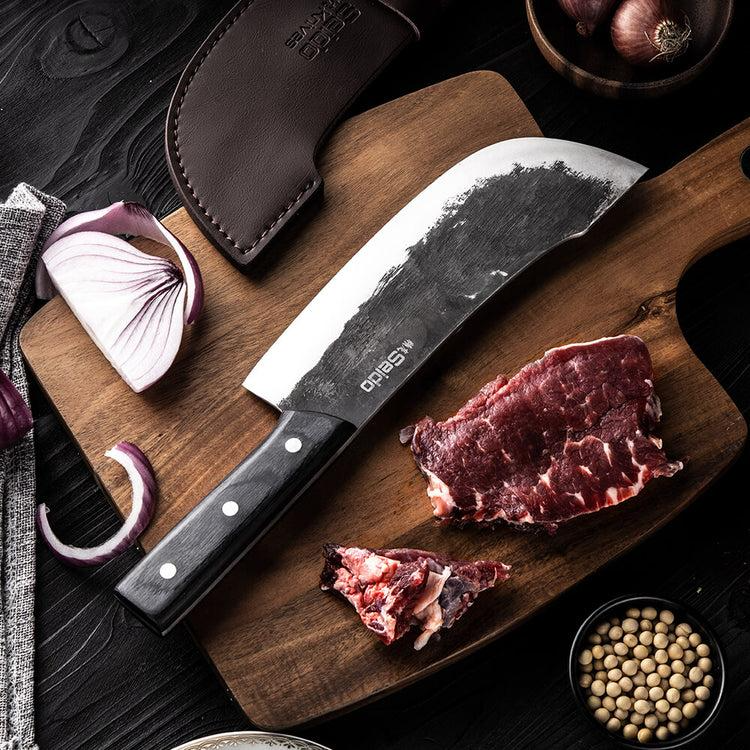
The Ultimate BBQ Cheat Sheet: Ideas to Try
You can’t beat a steak sizzling to perfection on the grill or a rack of ribs smothered in a ri
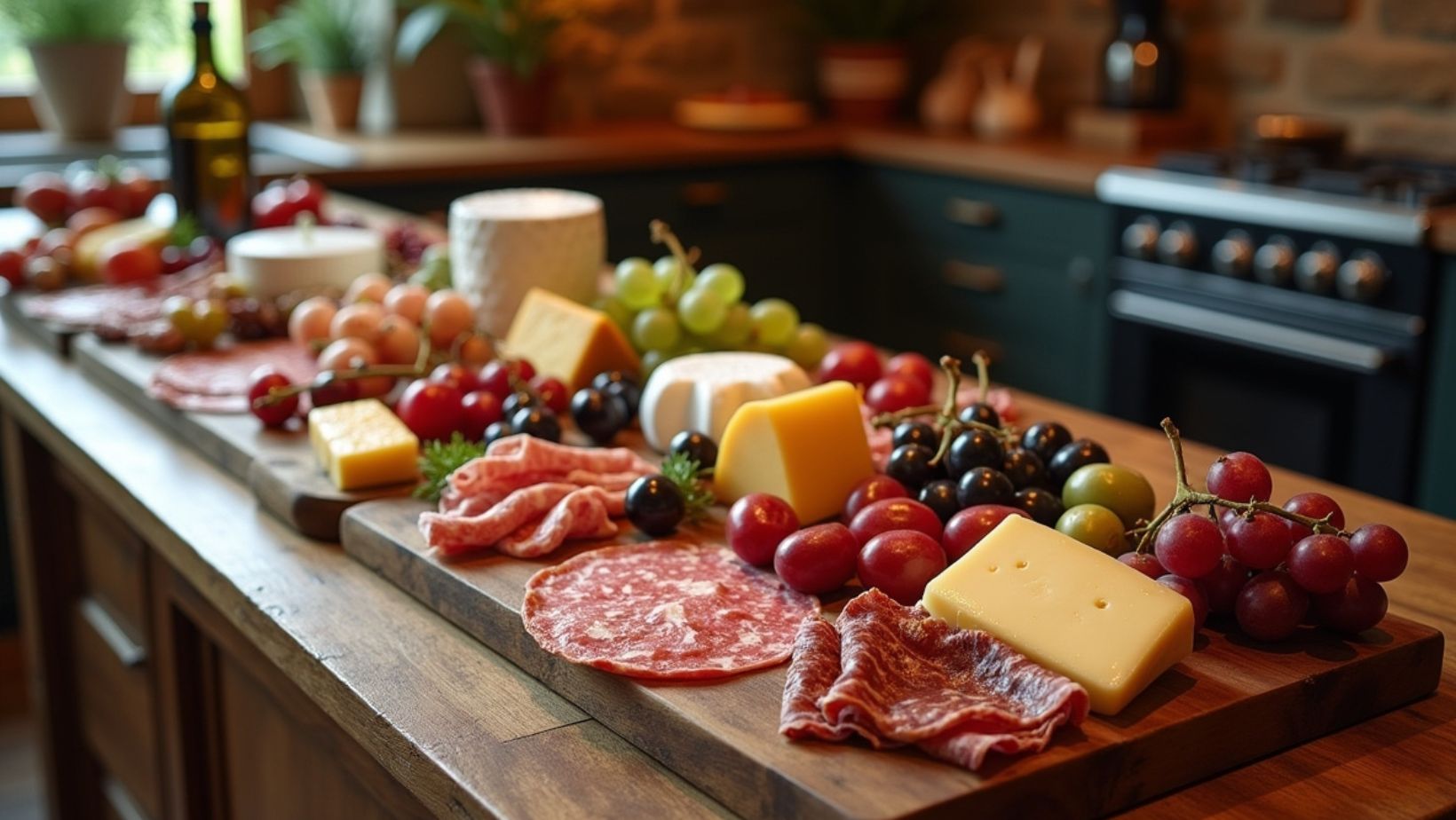
Charcuterie That Tells a Story: Build a Board Around Pâté
A beautiful board isn’t a heap—it’s a narrative with pacing. You open bright, glid
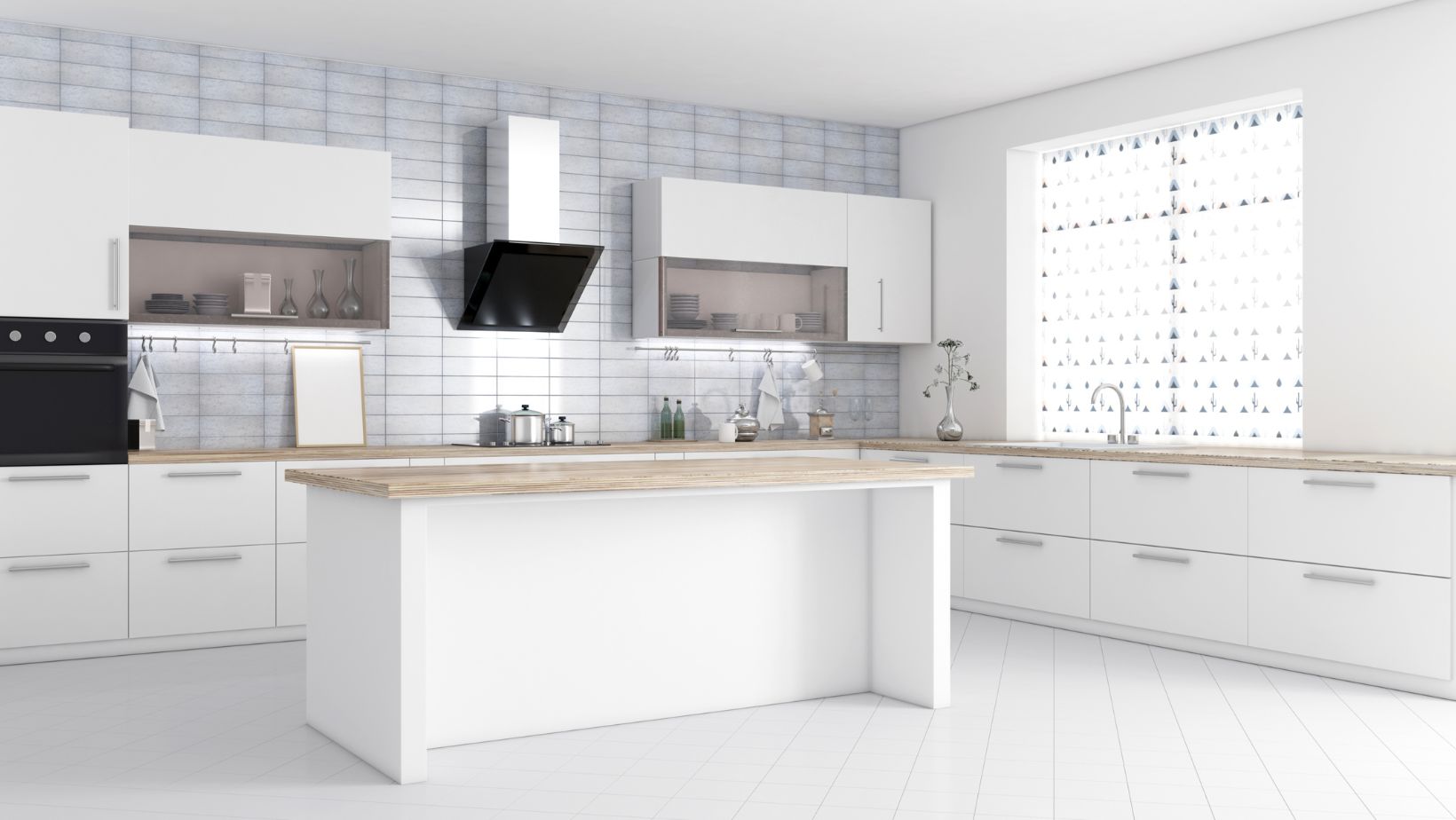
Rookie Mistakes in the Kitchen: What Overcooking Can Teach You About Strategy
It is strangely degrading to destroy a meal. You are sure you are flipping chicken, a minute later,