

Traditional Italian Condiments: Where Balsamic Vinegar Fits

February 13, 2026

Italian cuisine is characterised not by complexity but by an integrity of ingredients. A rustic loaf of bread or a dish of sliced tomatoes needs little manipulation when the garnishing is of the utmost quality. The real magic sometimes occurs at the end of the cooking process with a drizzle of something different that brings the whole plate into focus.
While premium olive oil tends to steal the limelight in the Mediterranean kitchen, finding an authentic balsamic vinegar of Modena can be equally revelatory for the way a dish tastes. In many pantries, balsamic vinegar aceto balsamico di modena is the bottle people reach for when they want depth without heaviness.
This dark, glossy elixir provides a necessary counterpoint to the richness of cheeses and meats. For cooks who grew up seeing aceto balsamic on the table, the flavour is instantly recognisable. Whether it’s called aceto balsamic or simply a finishing drizzle, it deserves its proper place, serving as a bridge between savoury and sweet elements on the table.
Decoding the Labels on the Bottle
Italian condiments can be overwhelming when one starts searching the grocery aisle for the best bottle. With so many labels and certifications, not every dark bottle is going to taste or feel the same, or be made with the same care. Cheap bottles are everywhere, but the most common premium variety in most pantries is aceto balsamico di Modena IGP.
That label means the bottle was produced under strict regulations in Modena or Reggio Emilia. For everyday cooking, aceto balsamico di Modena IGP is a dependable signpost for balanced acidity and a clean grape-must sweetness you won’t find in run-of-the-mill industrial brands.
The Role of Vinegar Among Other Staples
Vinegar never makes an appearance alone at the table of an Italian household. It dances alongside extra virgin olive oil, herbs, and cured meats. The tartness of a quality balsamic vinegar slices through the richness of a slice of mortadella or complements bitter arugula greens.

For a pourable, everyday option, reach for aceto balsamic vinegar of Modena. In salads, marinades, and finishing drizzles, balsamic vinegar aceto balsamico di Modena brings balanced acidity and sweetness while letting the grape must’s natural fruit flavour stay up front. The oil should coat your palate before vinegar cleanses it for your next bite.
The High-Density Condiment Experience
Some balsamics are sometimes referred to as a “condiment” or “gold” selection. These are very different from the thinner vinegars associated with salad dressings. Aceto balsamic vinegar of Modena, in its thicker forms, has a much higher density, almost syrupy.
When you want a glossy finish on cheese, grilled vegetables, or fruit, balsamic vinegar aceto balsamico di Modena in a denser style delivers that concentrated sweetness without needing much at all.
Cultural Harmony in a Single Spoon
The final condiment added to the dish gives the dish its defining spirit. When one buys a bottle of aceto balsamico tradizionale or another concentrated condiment, they’re making an investment that will reward them with every drop they use. A few drops of aceto balsamico tradizionale can be enough to lift risotto, fresh berries, or shavings of Parmigiano Reggiano.
They are strong, concentrated products, so little is required at a time, usually less than 1% of the total volume of the dish being prepared. Drizzled over simple foods like risotto or fresh berries, the rich flavour will transport one back through generations of Italian history.

Why Longevity Testing Matters – How a Core Longevity Panel Can Unlock Your Health Potential
Living longer isn’t just about adding years to your life, it’s about making those years

How Food Brings Comfort and Connection in Fast-Paced Lives
In today’s fast-paced world, where schedules are packed and moments of respite seem few and fa
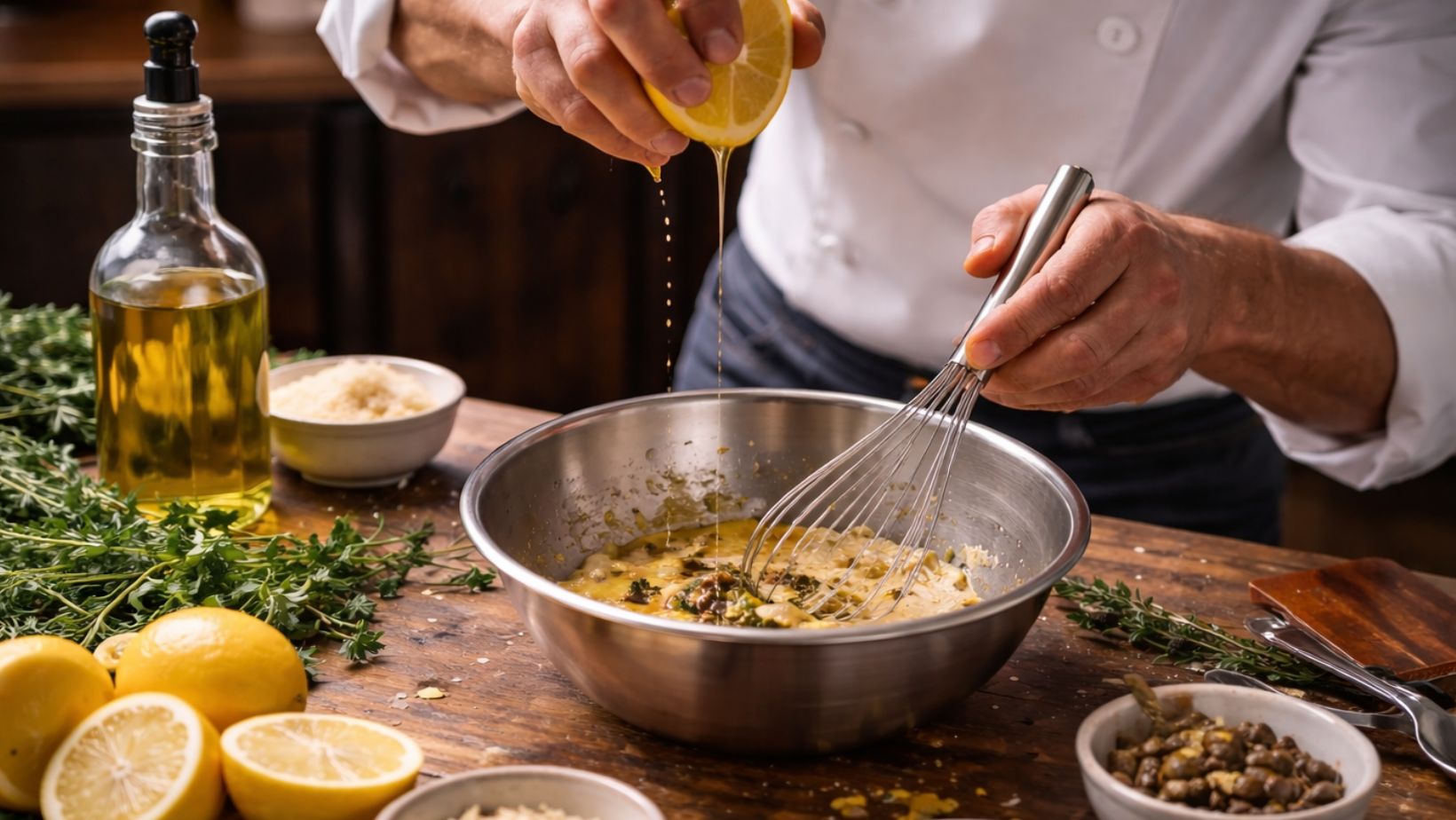
What Ayurveda Would Tell a Chef About Sauces (That Culinary School Never Did)
Great chefs don’t randomly combine ingredients.They layer flavors, emulsify textures, and buil