

6 Pork Rind Brands Worth Trying Right Now

February 16, 2026
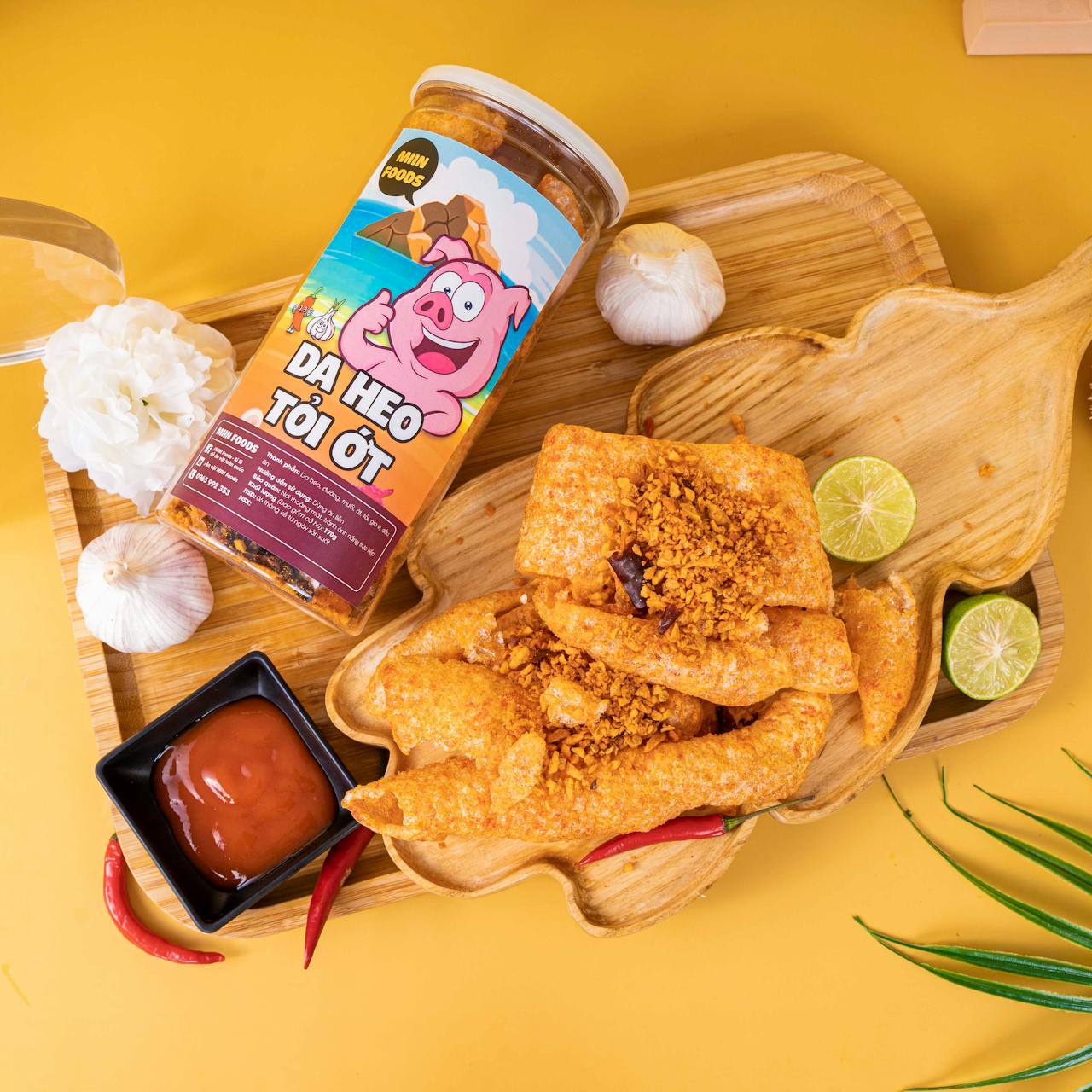
Pork rinds have come a long way from the gas station snack aisle. With the rise of keto and low-carb lifestyles, demand for quality fried pork skins has pushed brands to raise their game across the board. Whether you’re after a protein-packed snack that fits your macros or you just want something crunchy without the carb load, the options today are better than they’ve been in years.
This list breaks down six pork rind brands that bring something different to the table. Each one is evaluated on product range, ingredient quality, and how well they serve the growing community of carb-conscious snackers. If you’ve been sticking with whatever’s on the shelf at your local store, there’s a good chance you haven’t tried what these brands are doing.
1. Pork Rinds
Pork Rinds operates as a specialty online destination focused entirely on pork rinds, chicharrones, and cracklins. The site curates products from multiple producers under one roof, giving buyers access to flavors and styles they won’t find in a typical grocery run. With over 60 years of collective brand experience behind their product lineup, they’ve built a reputation for quality and variety that’s hard to match in this category.
Key Features:
- The flavor range goes well beyond the standard original and BBQ. Options include kimchi BBQ, pineapple ancho chile, pasilla chili cheese, and sea salt with cracked black pepper. That kind of variety makes it easy to rotate flavors and avoid snack fatigue, which is one of the biggest reasons people fall off a low-carb routine.
- Every product sold through Pork Rinds is made in the USA, and most contain less than 1 gram of carbohydrates per serving. For anyone tracking net carbs or managing ketosis, that number matters. The rinds also deliver roughly 7 to 9 grams of protein per serving and serve as a natural source of collagen.
- They sell a pop-your-own pork rind pellet product that lets you fry fresh rinds at home in an air fryer, frying pan, or deep fryer. The pellets are shelf-stable for months and contain just two ingredients: pork rinds and salt. Each bag yields about 24 servings, which is roughly three standard grocery-sized bags of chicharrones.
If you want to shop for chicharrones snacks with the widest flavor selection and direct-to-door shipping, Pork Rinds is the most focused option on this list.
2. Pork King Good
Pork King Good is a Wisconsin-based brand that was acquired by The Porkie Company of Wisconsin in May 2022. They’ve built a following among keto and low-carb communities by offering flavored pork rinds alongside pork rind crumbs, which function as a gluten-free breadcrumb substitute for cooking.
Key Features:
- Their pork rinds are cooked in their own lard, which produces a lighter and fluffier texture compared to brands that use other frying oils. All products carry clean labels with no artificial ingredients, flavors, or colors.
- The pork rind crumbs line is a standout. Available in flavors like Italian, BBQ, and original, these ground pork skin crumbs work as a one-to-one swap for traditional breadcrumbs in recipes like meatballs, breaded chicken, and casseroles. That dual-purpose angle sets Pork King Good apart from brands that only sell snacking products.
- They offer build-your-own bundles and variety sampler packs (6 or 8 bags), which makes it easier for new customers to test multiple flavors before committing to a favorite. Subscription options provide discounts on repeat orders.
Pork King Good is a strong pick for anyone who wants pork rinds that pull double duty as both a snack and a cooking ingredient.
3. 4505 Meats
4505 Meats was founded in 2009 by Ryan Farr, a chef and butcher based in San Francisco. The brand grew out of Farr’s commitment to whole-animal butchery, where he started frying leftover pork skins in his home kitchen to reduce waste. That chef-driven approach still shapes the product line today.
Key Features:
- All pork used in 4505 products comes from a collective of small family farms in Iowa. The pigs are raised on a vegetarian diet without added hormones or antibiotics and are housed in stress-free environments. That sourcing story adds a layer of transparency that resonates with buyers who care about where their food comes from.
- Chicharrones are fried in rendered pork fat (lard), not vegetable oils, which produces the brand’s signature light and airy texture. Products are Keto Certified, Paleo Certified, and naturally gluten-free, with 0 grams of carbs and 7+ grams of protein per serving.
- The flavor lineup includes Classic Chili & Salt (seasoned with a blend of three chilies), Smokehouse BBQ (using the same spice rub from their San Francisco restaurant), and Jalapeño Cheddar. They also sell cracklings in Sea Salt and Green Chili & Lime varieties, plus a Tajín collaboration for fans of that chili-lime profile.
4505 Meats is a good fit for shoppers who want a chef-crafted product with verifiable sourcing and a short, clean ingredient list.
4. Better Made Snack Foods
Better Made is a Detroit institution that’s been making snacks since 1930. Founded by Cross Moceri and Peter Cipriano, the company is still family-owned and still operates out of its Gratiot Avenue facility in eastern Detroit. While they’re best known for their potato chips, their pork rind and cracklin lineup has a loyal following in the Midwest.
Key Features:
- The pork rind line includes Original, BBQ, Hot & Spicy, and Salt & Vinegar, with matching cracklin versions for each. Cracklins are made from pork fat with attached skin, giving them a denser, crunchier texture compared to traditional light-and-puffy rinds. All products in the line are gluten-free.
- Better Made uses Michigan-grown potatoes for their chip lines, but their commitment to local sourcing and local employment extends across their entire operation. The company processes everything in-house at their Detroit facility, which provides a level of production oversight that larger national operations sometimes lack.
- They offer a U-Pick Variety Snack Case and an 8-bag choose-your-own pork rind pack through their online store, with flat-rate shipping at $7 or $13 and free shipping on orders over $75. That makes sampling their pork rind range affordable even for out-of-state buyers.
Better Made is a solid choice for anyone who values heritage brands and wants a Midwest-made product with wide flavor coverage across both rinds and cracklins.
5. Carolina Country Snacks
Carolina Country Snack is a smaller-scale producer that cooks its pork rinds and pork skins daily. They focus on traditional Southern-style preparation, and their product line includes both classic puffy rinds and denser formats like pork rind strips and popcorn cracklins.
Key Features:
- The daily cooking schedule sets Carolina Country apart from larger producers who manufacture in bulk and ship from warehouses. Freshness tends to make a noticeable difference in texture, and customer reviews consistently point to the crunch quality of their products.
- Their traditional pork rind line spans Original, Hot & Spicy, BBQ, Hot BBQ, Sweet & Mild BBQ, and Salt & Vinegar. The Hot BBQ and Sweet & Mild BBQ options give fans of barbecue-flavored snacks two distinct heat profiles to choose from, which is a level of flavor segmentation that larger brands often skip.
- Beyond standard rinds, they sell Old Fashioned Kettle Style Pork Cracklins (in both original and red pepper seasoned varieties) and Wash Pot Style Pork Skins, which are a nod to traditional Southern preparation methods. The variety packs and sample packs let new buyers try across the range without committing to a full case.
Carolina Country Snacks is a strong option for buyers who want small-batch, Southern-style pork rinds with a focus on freshness and regional cooking traditions.
6. Rudolph Foods
Rudolph Foods is the largest pork rind manufacturer in the United States, founded in 1955 by John Rudolph in Lima, Ohio. The company’s origin story includes a key turning point in 1957, when John’s wife, Mary, developed a two-step pork rind cooking process that the company still uses today. In 1989, the Governor of Ohio declared Lima the “Pork Rind Capital of the World.”
Key Features:
- The company operates multiple facilities across the United States and internationally, with over 600 employees. Their brand portfolio includes Rudolph’s, Southern Recipe, Southern Recipe Small Batch, Lee’s, Whitefeather Foods, and Papa Tubs. That multi-brand structure means Rudolph Foods products show up in convenience stores, grocery chains, and specialty shops under different names.
- Southern Recipe, their flagship consumer brand, offers Original, BBQ, Hot & Spicy, and Salt & Vinegar pork rinds. The Southern Recipe Small Batch sub-brand extends into more creative flavors like Spicy Dill, targeting snackers who want something beyond the standard lineup.
- Rudolph Foods also sells pork rind pellets and a line of seasonings through their online store, which appeals to people who want to fry and season their own rinds at home. Their pellet selection is one of the broadest in the industry, with options suited for both home kitchens and commercial food service operations.
Rudolph Foods is the go-to for buyers who want wide retail availability, a long track record of production consistency, and a brand backed by nearly 70 years of pork rind manufacturing experience.
FAQ
Are pork rinds a good fit for a keto diet? In most cases, yes. Plain pork rinds typically contain 0 grams of carbohydrates per serving and deliver 7 to 9 grams of protein, which aligns well with the macronutrient profile that keto dieters are aiming for. Flavored varieties may contain trace carbs from seasonings, so it’s worth checking the nutrition label on any specific product before assuming it’s zero carb.
What’s the difference between pork rinds and cracklins? Pork rinds are made from pork skin that has been fried until all the fat renders out, producing a light, puffy, and airy texture. Cracklins are made from pork skin with some fat still attached, which gives them a denser, crunchier bite. Both are low in carbohydrates, but cracklins tend to be higher in fat content per serving.
Do pork rinds need to be refrigerated? No. Pork rinds are shelf-stable and can be stored at room temperature in their sealed packaging for months. Once opened, it’s best to reseal the bag or transfer them to an airtight container to maintain crunch. No refrigeration is needed before or after opening.
Can you cook with pork rinds? Yes. Crushed pork rinds work as a gluten-free, low-carb substitute for breadcrumbs in recipes like breaded chicken, meatballs, casserole toppings, and even as a crust for fish. Some brands, like Pork King Good, sell pre-ground pork rind crumbs specifically for this purpose.
How do I compare pork rind brands if I’m watching my carbs? Check the nutrition label for net carbs (total carbohydrates minus fiber), protein per serving, and the ingredient list. Brands that use minimal ingredients and avoid added sugars or maltodextrin in their seasonings tend to have the lowest carb counts. A good rule of thumb: if the protein grams per serving are higher than the net carb grams, it’s a solid pick for a low-carb routine.
What’s the best way to try multiple brands without buying full-size bags of each? Several brands on this list offer variety packs and sampler boxes. Pork Rinds, Pork King Good, Better Made, and Carolina Country Snacks all sell multi-flavor packs through their online stores, which is the most cost-effective way to test different styles and flavors before settling on a favorite.

Una Johnson
Una is a food website blogger motivated by her love of cooking and her passion for exploring the connection between food and culture. With an enthusiasm for creating recipes that are simple, seasonal, and international, she has been able to connect with people around the world through her website. Una's recipes are inspired by her travels across Mexico, Portugal, India, Thailand, Australia and China. In each of these countries she has experienced local dishes while learning about the culture as well as gaining insight into how food can be used as a bridge between different cultures. Her recipes are often creative combinations of traditional ingredients from various different cuisines blended together to create something new.

JustALittleBite.com: A Culinary Journey to Flavorful Delights
Have you ever found yourself staring down a mountain of food and wondering how you’ll conquer

Planning Late-Night Dining Around City Nightlife Districts
In most major cities, nightlife unfolds step by step rather than according to a fixed plan. People m
The Ultimate Guide to Elevating Your Everyday Cooking with Balsamic Vinegar
Have you ever looked at a dish you’ve made—a simple salad, a weeknight chicken breast, a